


What Is Mangrove Restoration?
Mangrove restoration is the process of revitalising and improving mangroves - coastal wetland habitats mainly found in tropical regions with unique trees and plants. Mangroves are crucial ecosystems for a variety of wildlife, stabilising the coastline to prevent the land from erosion and absorbing large quantities of carbon emissions to fight climate change.
The need for mangrove restoration arises due to significant damage and destruction of mangrove areas through urbanisation, aquaculture, and deforestation. Globally, between 20% and 35% of mangrove areas have been lost since 1980.
This has resulted in poorer quality of life for coastal populations, lower economic growth and impoverished livelihood. Key aspects of mangrove restoration include replanting mangrove species in areas where they have been depleted or destroyed, restoring local ecosystem dynamics, involving communities in planning and implementation, and implementing protective measures.
Mangrove restoration is essential not only for the preservation of biodiversity and ecological balance but also for the well-being of coastal communities that rely on these ecosystems for their livelihoods. It contributes to the overall health of coastal environments, enhances fisheries, promotes sustainable practices, and mitigates the impact of natural disasters.
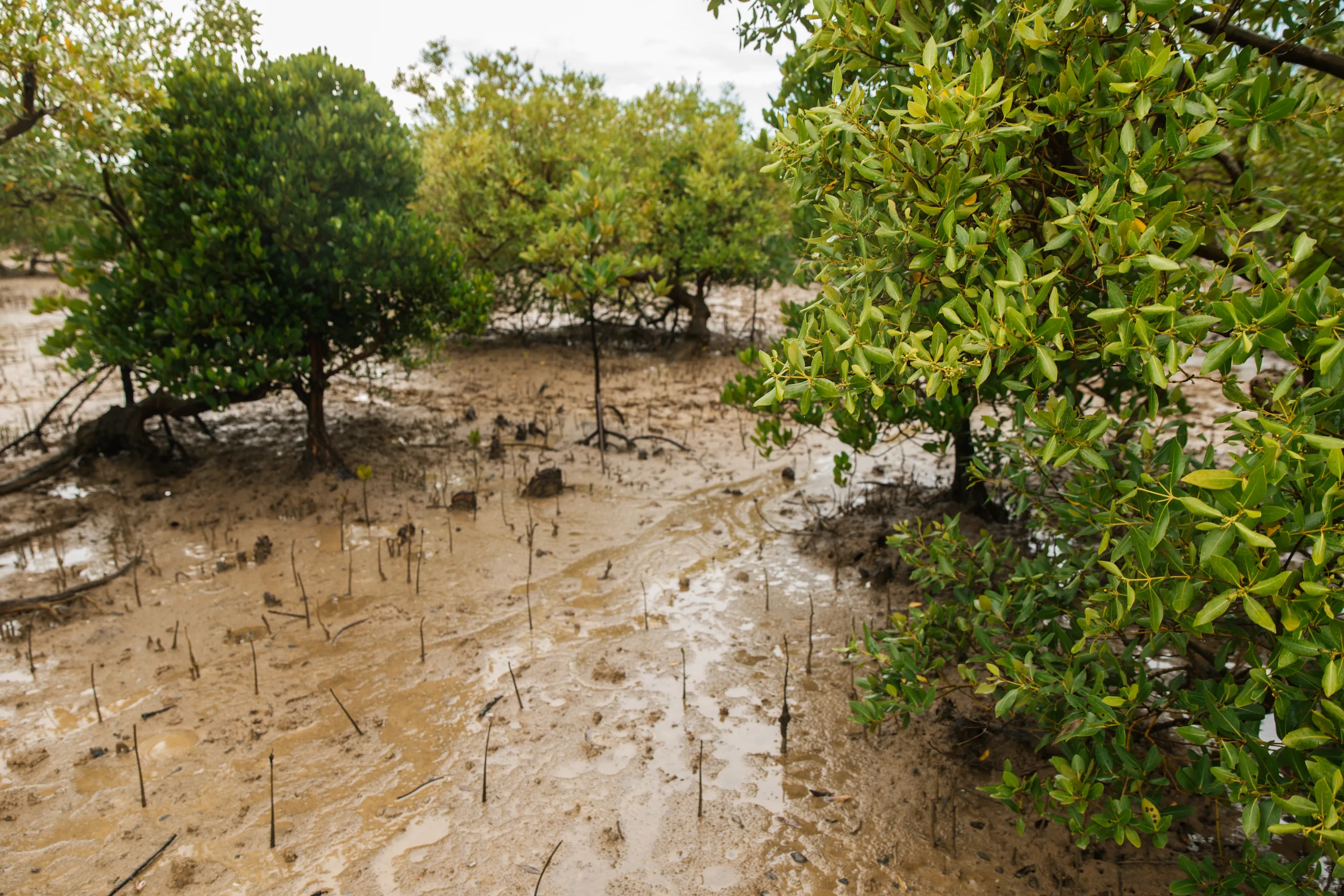
Mangrove Restoration In Kenya
The Coastal areas of Kenya rank among the country’s lesser-developed regions. The livelihoods, employment and nutritional needs of these communities heavily rely on mangrove ecosystems. Over the past few decades, Southern Kenya’s coastal regions have experienced rapid urbanisation, leading to the conversion of mangrove forests for alternative land uses. Additionally, inadequate governance has contributed to the overexploitation and excessive harvesting of mangroves.
The key objective of EarthLung’s Mangrove restoration project in Kenya is to uplift financially disadvantaged coastal communities by revitalising the mangrove forests aiming to ‘break the cycle of poverty’. Through the restoration of the biodiverse estuary, this initiative will not only establish new fishing grounds but also generate supplementary sources of income. Moreover, the rejuvenated forests will serve as a protective barrier against storm surges.
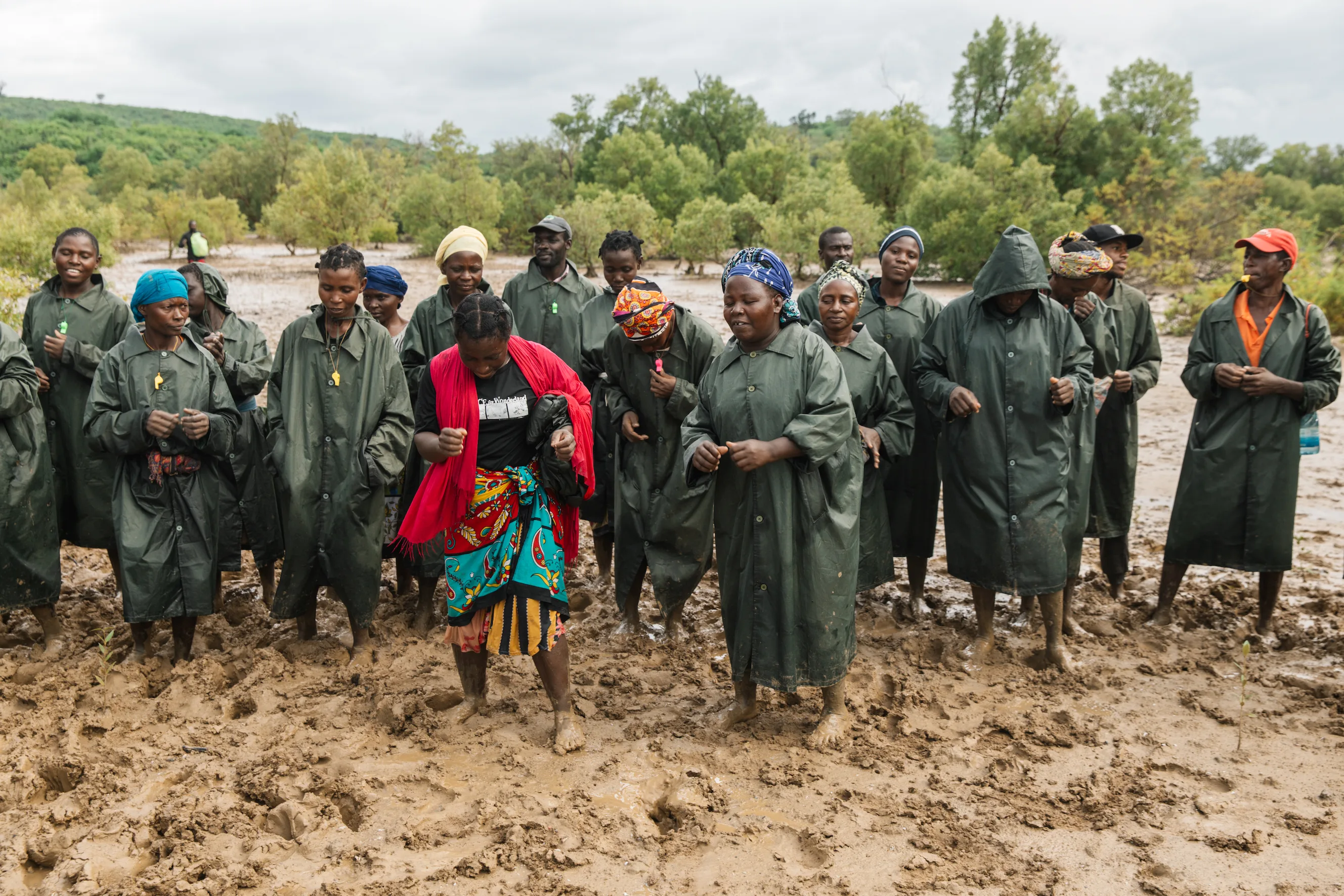
The Process Of Mangrove Restoration
The two main methods of mangrove planting are nurseries and direct planting. Nurseries nurture seedlings until they are ready for permanent planting in the wild, providing better growth rates and higher survival rates.
The community in the nursery can produce up to 300 pots daily, collecting propagules and planting them. The nursery process involves filling bags with muddy and clayey soil, germinating seeds, and nursing plants with watering, shading, weeding, pest control, fertilization, and hardening.
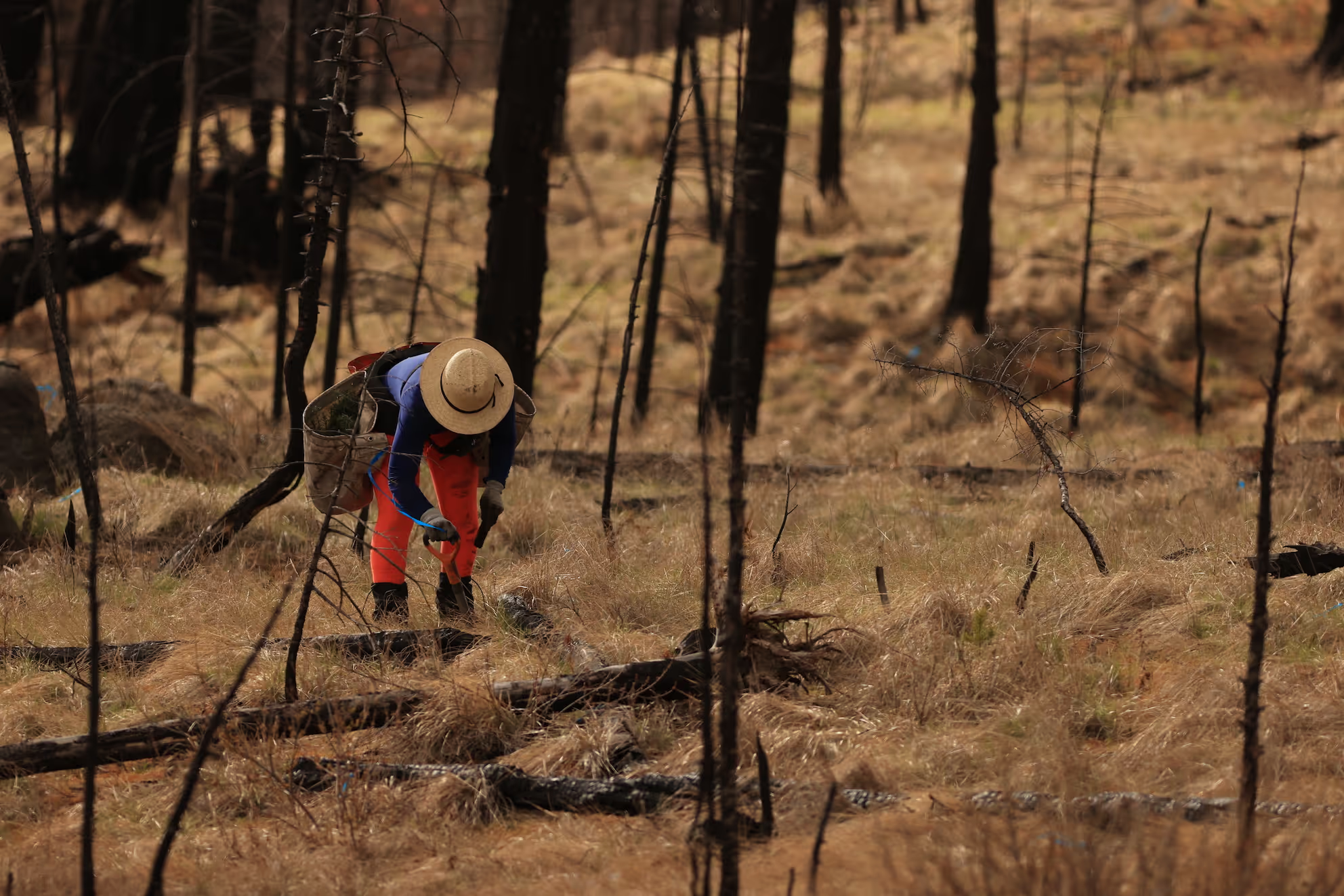
The second method is direct planting, where the team directly pick propagules off existing trees and plants them directly. Both methods are challenging and often require an early start and a late finish. Accessing planting sites can be physically demanding, involving trudging through mangrove channels in hot, knee-deep mud, often barefoot due to the swampy terrain.
Planting partners navigate through extensive mangrove roots. At the planting site, approximately 5,000 propagules are planted per hectare, roughly one propagule for every two steps, inserted up to one-third of their length. Planting and protection methods are well planned, resulting in a healthy survival rate of saplings of roughly 80%.
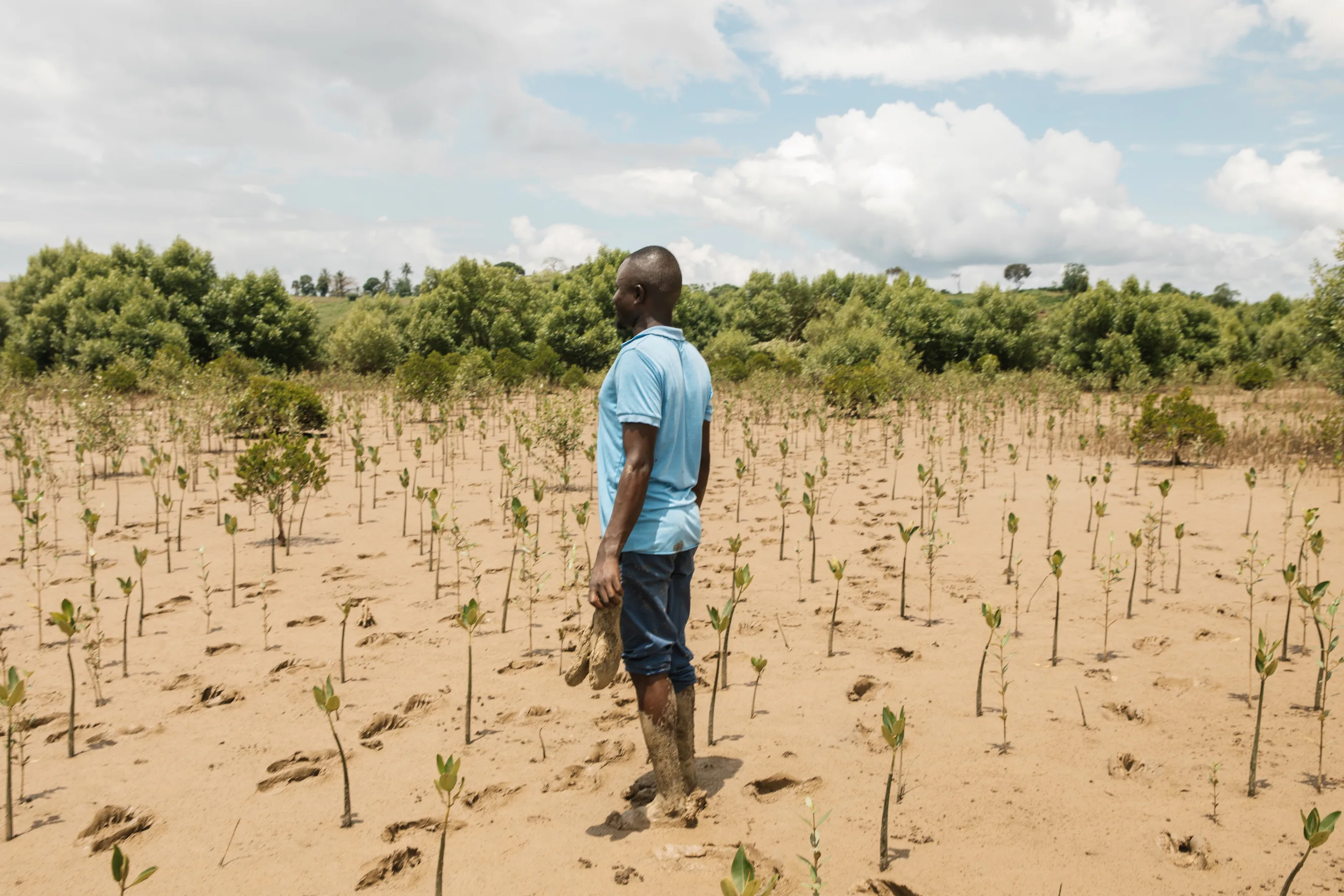
The Project Has An Immense Positive Impact On Local Communities, Biodiversity And the Environment
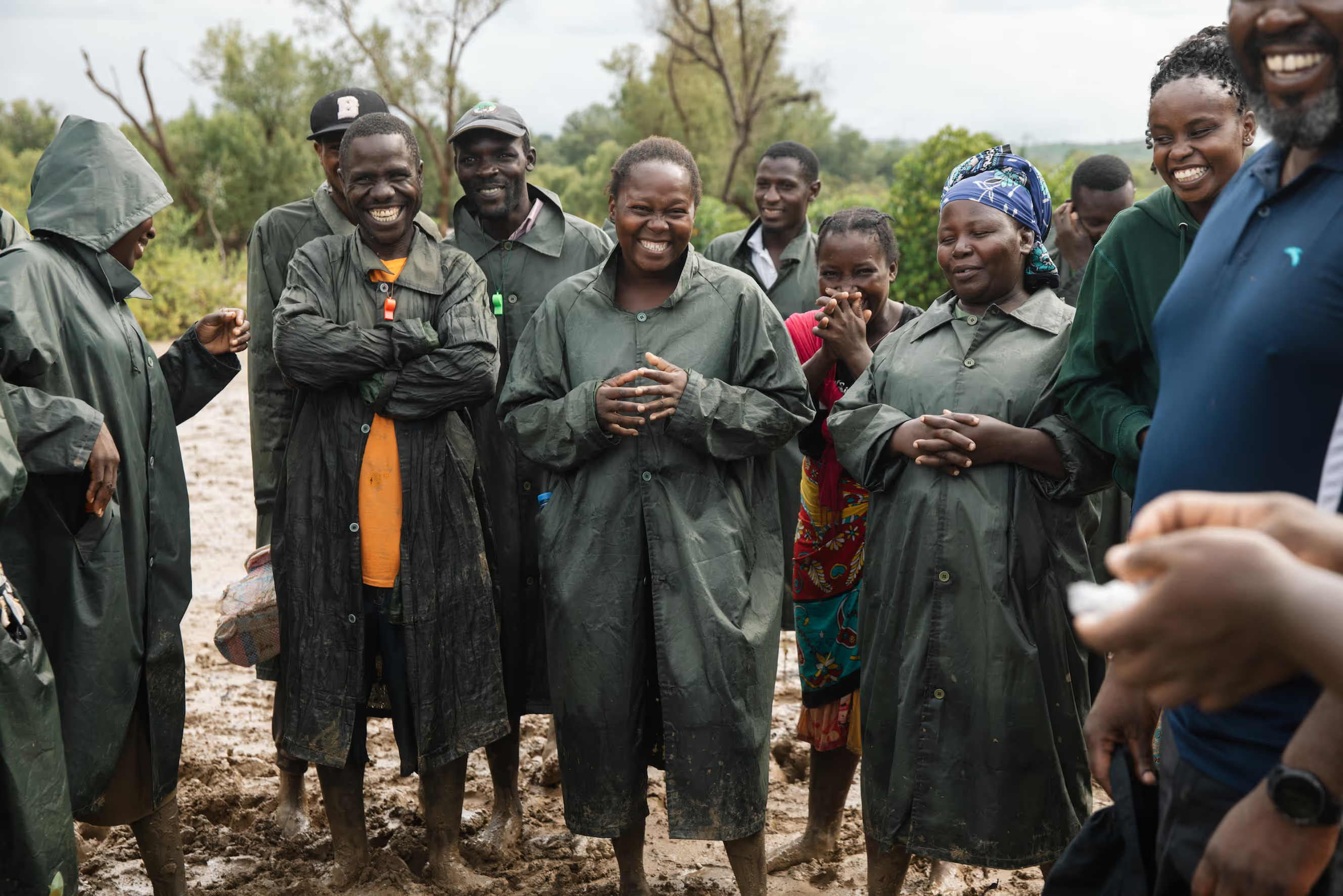
Not only is the project great for the environment it also supports a number of local species, such as the Comb Duck, African Bush Elephant and Aardvark, who rely on the mangroves for food and shelter. In addition, the project provides a range of employment opportunities to community members, and for every 10,000 trees planted, 20 work days are created for local community members. The carbon reduction of the project has proven to be significant, with an estimated 0.31 tonnes of CO2 sequestered per tree.
Pros and Cons
Pros:
- Empowers local communities through fair work and wages: The project provides employment opportunities that support livelihoods and nutrition, directly benefiting impoverished coastal populations.
- Restores critical mangrove ecosystems: Mangrove restoration enhances biodiversity and strengthens environmental resilience, which is vital for coastal protection and carbon sequestration.
- Delivers verified and transparent impact: Through Greenspark’s platform, businesses can track and showcase real-time, data-backed sustainability outcomes, linking environmental action to measurable business benefits like ROI and customer engagement.
- Supports multiple sustainability goals simultaneously: The project addresses climate action, biodiversity conservation, and social upliftment, making it a comprehensive solution for businesses aiming to integrate sustainability into their strategy.
Cons:
- Geographically limited to specific coastal areas: The project is focused on Mteza Creek, Mombasa, Kenya, which may limit direct impact for other regions.
- Potential complexity in impact measurement for some businesses: While Greenspark provides verified data, integrating this into existing business metrics may sometimes require additional effort and adaptation.
Verification
This project uses site technology, including Dendrometers, Soil Sensors, Bioacoustic Sensors, Light Sensors and weather stations, to ensure accuracy and precision in measuring impact. The process of measurement, reporting and verification starts with evaluating the size of the land targeted. Collecting and monitoring data on trees planted within the region.
Verifying and publishing the data collated and then visualising and amplifying this through reports on the number of trees planted, hectares reforested, CO2 sequestered and work days provided. Read more about EarthLungs here.
Comparing Mangrove Restoration with Other Nature-Based Solutions
| Factor | Mangrove Restoration | Terrestrial Reforestation | Pollinator Protection |
|---|---|---|---|
| Carbon Sequestration | High (blue carbon) | Medium (forest carbon) | Low to Medium |
| Community Impact | Fair wages + jobs | Job creation + ecosystem benefits | Supports agriculture + livelihoods |
| Biodiversity Benefits | Coastal + marine species | Terrestrial wildlife | Pollinators + crop yields |
| Implementation Cost | Moderate | Moderate to High | Low to Moderate |
How to Support Mangrove Restoration and Empower Communities
- Partner with EarthLungs Mangrove Restoration Project: Collaborate with EarthLungs to fund and support mangrove restoration efforts in Mteza Creek, Mombasa, Kenya, ensuring your investment directly benefits local communities and biodiversity.
- Integrate Verified Mangrove Restoration into Your Sustainability Strategy: Use Greenspark’s platform to embed verified mangrove restoration projects into your customer touchpoints, enhancing your brand’s environmental impact storytelling and improving customer engagement.
- Promote Fair Work and Wages in Your Supply Chain: Advocate for fair employment practices by supporting projects like EarthLungs that empower coastal communities through fair wages, linking social impact to your corporate social responsibility goals.
- Promote Fair Work and Wages in Your Supply Chain: Advocate for fair employment practices by supporting projects like EarthLungs that empower coastal communities through fair wages, linking social impact to your corporate social responsibility goals.
- Leverage Real-Time Impact Data to Boost ROI: Utilize Greenspark’s real-time, data-backed storytelling tools to transparently communicate your climate action efforts, increasing conversion rates and customer loyalty through verified environmental impact.
- Educate Your Team and Customers on Mangrove Benefits: Share insights about the ecological and economic importance of mangroves, including their role in carbon sequestration and coastal protection, to build awareness and support for restoration initiatives.
- Explore Additional Restoration Projects Globally: Expand your impact by supporting related projects such as terrestrial reforestation in Ontario or pollinator protection in Kenya, diversifying your sustainability portfolio with Greenspark’s verified options.
Take action today to support mangrove restoration and empower local communities by contributing to verified projects with Greenspark.