




What is Terrestrial Reforestation?
Terrestrial reforestation is a vital effort to restore and expand forested areas on land that has been depleted, degraded, or deforested. This approach focuses on planting and nurturing diverse tree species to recover and enhance forest ecosystems. By doing so, terrestrial reforestation contributes significantly to carbon sequestration and biodiversity conservation.
What is the Effect of Reforestation?
Deforestation poses a serious threat to our planet, contributing to climate change, biodiversity loss, and environmental degradation. Every year, approximately 10 million hectares of forest are lost worldwide due to logging, agricultural expansion, and urban development. This widespread deforestation is responsible for around 10% of global greenhouse gas emissions, further intensifying climate change.
Reforestation, by contrast, restores degraded forests through tree planting and natural regeneration. Trees absorb carbon dioxide, improving air quality and reducing climate change impacts. They filter water, restore habitats, protect endangered species, and provide essential resources like food and medicine. Additionally, forests regulate local climates and help mitigate natural disasters such as floods and landslides.
The Importance of Terrestrial Reforestation in Ontario, Canada
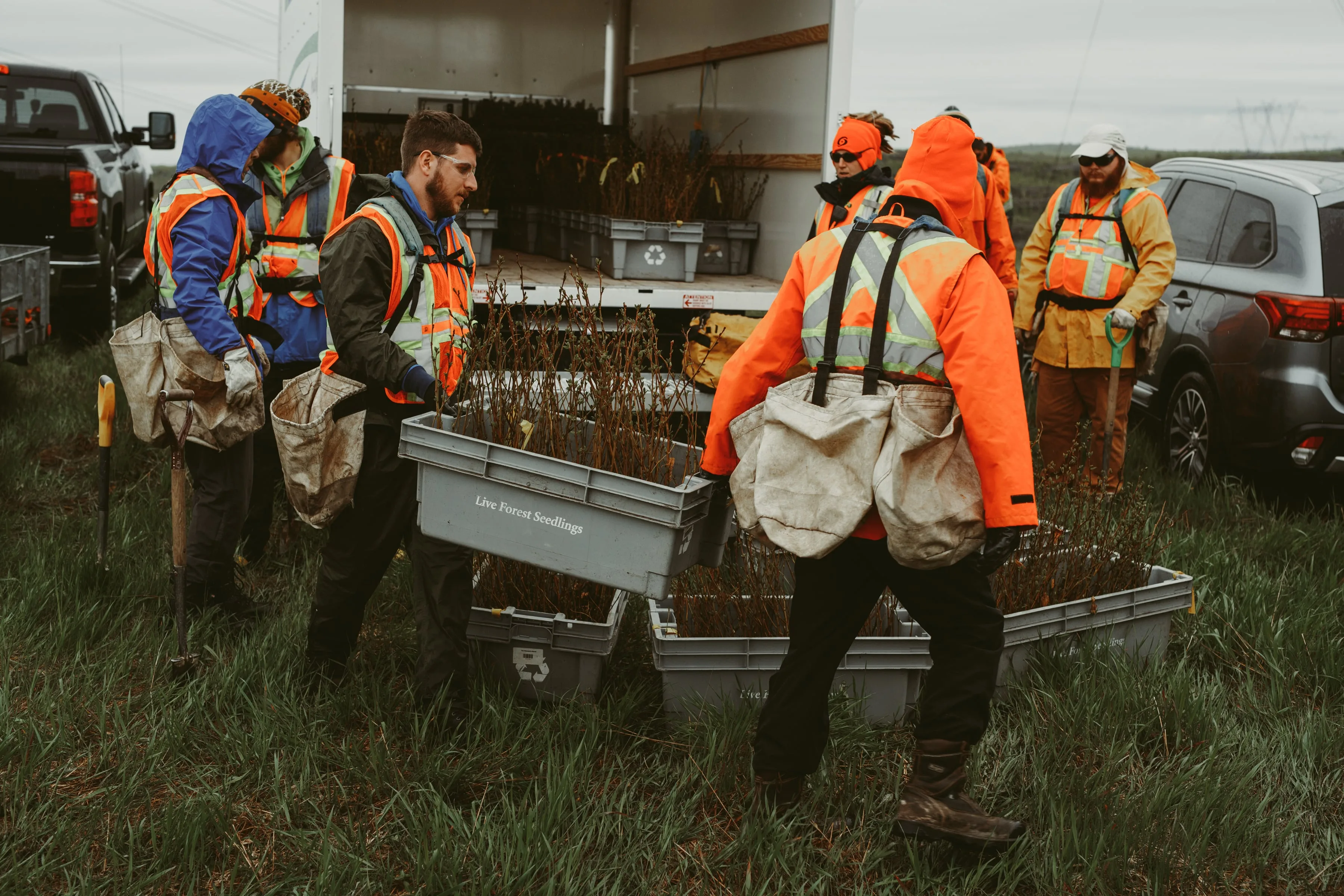
The Greater Sudbury region has suffered significant environmental degradation due to extensive industrial activities, including logging and the mining of nickel and copper ore. This has subsequently left the landscape scarred, with barren hilltops, degraded and contaminated soil.
Rehabilitating Sudbury’s landscape will not only restore valuable habitats for wildlife and increase biodiversity but also bring broader benefits to the city and its residents. Sudbury is uniquely located within the Sudbury Basin, one of Earth's most prominent impact craters, formed over 1.8 billion years ago by a massive asteroid or comet.
Social & Environmental Benefits
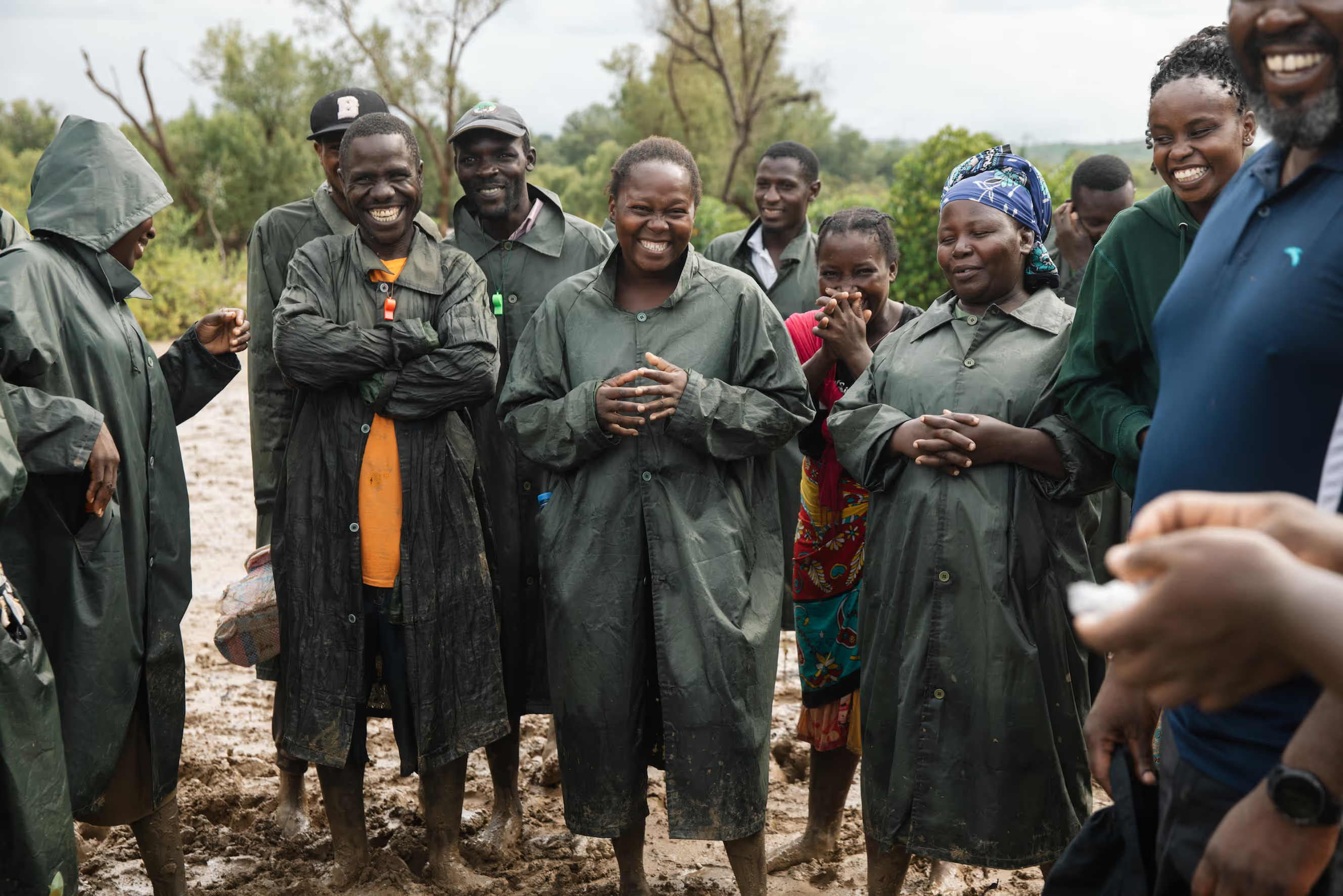
The reforestation project in Greater Sudbury provides a range of social and environmental benefits, including the creation of 80 workdays for every 10,000 trees planted, supporting local employment. It also contributes to the protection of animal species such as the Canada Goose, Red Squirrel, and Ringneck Snake.
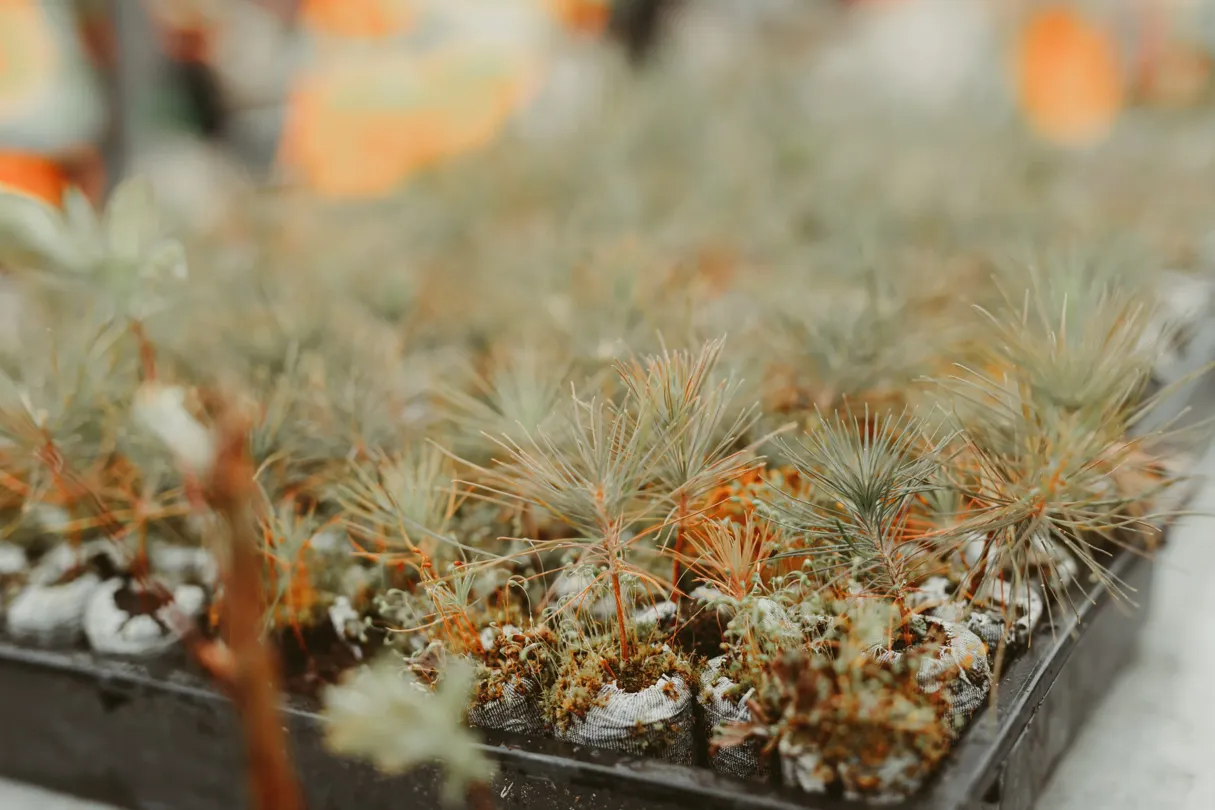
The project incorporates more than 25 tree species, including Tamarack, Ironwood, Spruce, Oak, Jack Pine, and Red Pine. This diverse selection is intentional, as a varied mix of native species enhances ecological resilience, supports a broader range of wildlife, and ensures long-term forest sustainability.
Verification
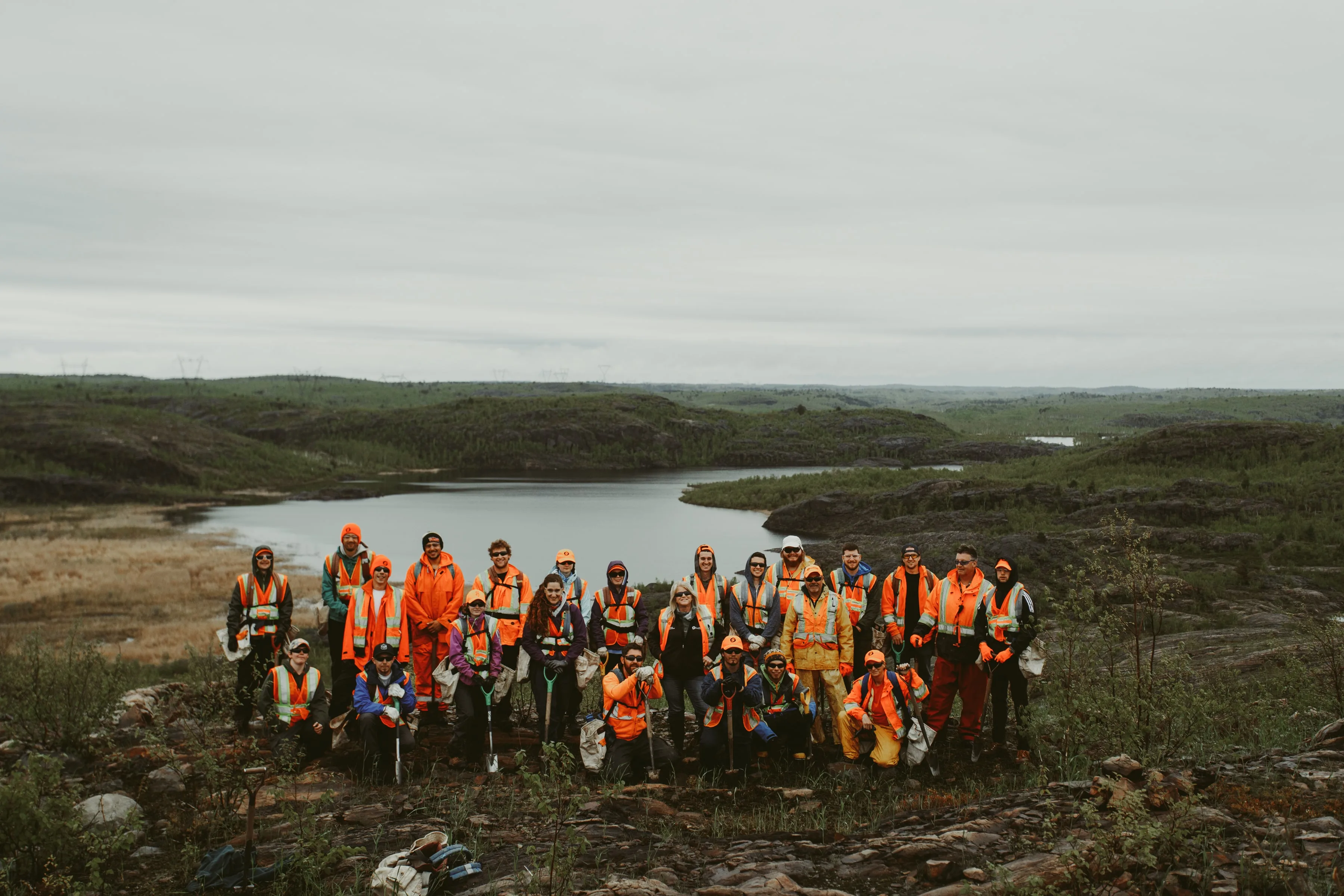
To ensure the effectiveness and transparency of the Greater Sudbury Terrestrial Reforestation project, advanced technology is utilised. On-site technology, such as geospatial layers provides detailed mapping and tracking of forest growth, while the planned integration of IoT sensors (devices that collect and transmit data over the internet) will allow for real-time monitoring of tree health, soil conditions, and overall forest recovery. These technologies enhance the precision of data collection, ensuring that reforestation efforts are meeting ecological and sustainability objectives.