




What Is Mangrove Restoration?
Mangrove restoration is the process of rehabilitating and replanting mangrove forests that have been degraded or destroyed. Mangroves are vital coastal ecosystems that serve as natural barriers against coastal erosion, store significant amounts of carbon, and provide critical habitats for marine and terrestrial wildlife. Restoring these forests helps combat climate change, supports biodiversity, and enhances the livelihoods of local communities.
The Importance of Mangrove Restoration in Brazil
The Amazon rainforest is one of the most crucial ecosystems on Earth. It contains 40% of the world’s remaining rainforest, 25% of its terrestrial biodiversity, and more fish species than any other river system.
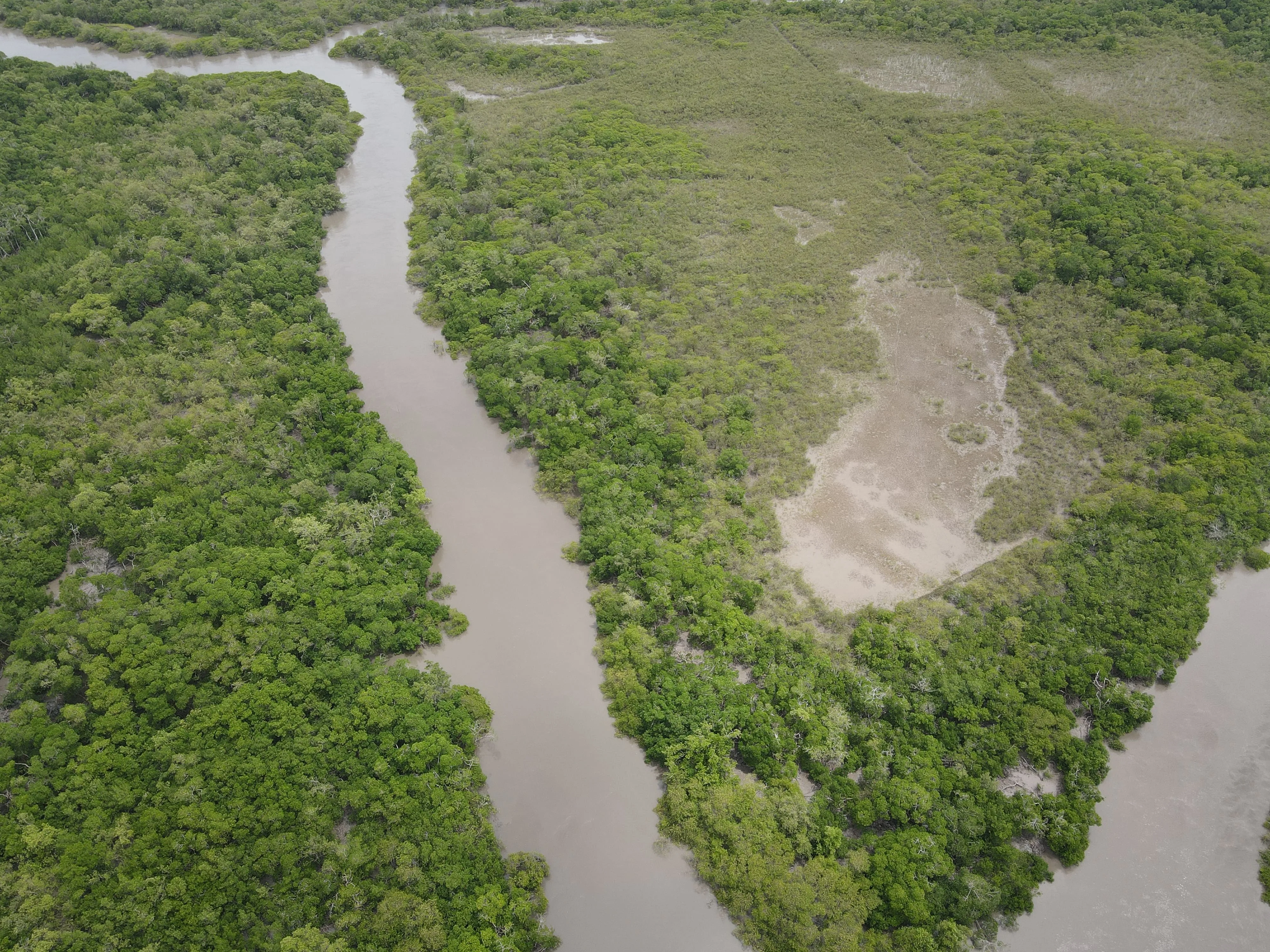
The Blue Amazon mangrove reforestation site is located in the State of Maranhão, Brazil along the southern border of the Amazon, a region experiencing alarming rates of deforestation due to illegal logging, land conversion for agriculture, and urban expansion. These activities have led to habitat loss, soil degradation, and the displacement of local communities. In many areas, only small, isolated patches of Amazon forest remain. This restoration project aims to reverse these trends by replanting lost mangrove forests, stabilising coastal environments, and preventing further ecological degradation.
Despite Brazil’s economic growth, Maranhão State has the lowest Human Development Index (HDI) score of any state in Brazil, with socio-economic conditions comparable to those of Bangladesh. The local community, primarily reliant on fishing, consists predominantly of Quilombolas—descendants of escaped slaves who now have recognised land rights and maintain their traditional way of life. However, these communities are facing increasing threats to their land and cultural heritage.
Social & Environmental Benefits
This mangrove restoration project provides significant social and environmental benefits by improving the livelihoods of local fishermen, creating jobs in a region with limited employment opportunities, and restoring critical habitats for endangered species. By rehabilitating some of the world’s most carbon-rich forests, the project plays a vital role in climate change mitigation, helping to capture and store vast amounts of carbon dioxide. Additionally, the restoration of mangrove ecosystems leads to improved fish stocks, directly benefiting the local fishing community that depends on these waters for their income and food security. Beyond fishing, the project also aims to introduce ecotourism initiatives in collaboration with partners, offering sustainable economic opportunities that will support the region in the long term.
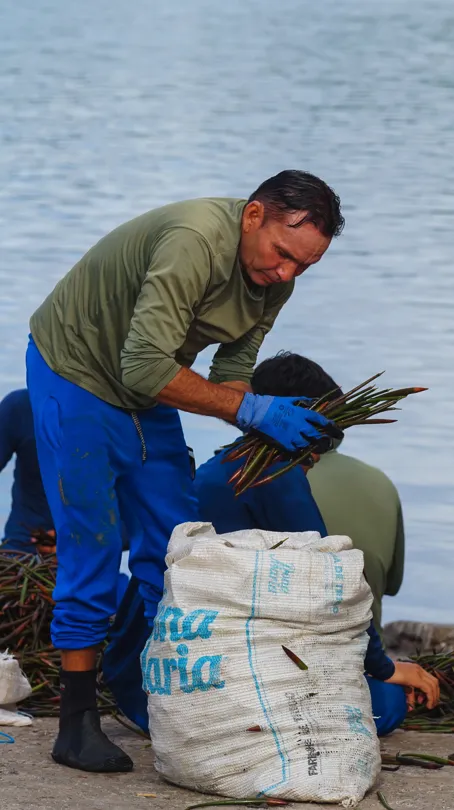
Mangrove restoration also helps safeguard several endangered and vulnerable species that rely on these ecosystems. Among the animal species benefiting from this project are the Goliath Giant Grouper (Epinephelus itajara), Manatees (Trichechus spp.), Harpy Eagles (Harpia harpyja), and Jaguars (Panthera onca). These species play an essential role in maintaining the ecological balance of the region. The restoration efforts also focus on replanting three key mangrove species: Laguncularia racemosa (White Mangrove), Rhizophora mangle (Red Mangrove), and Avicennia germinans (Black Mangrove), which are vital to the health of coastal and riverine environments. These species were chosen because they each play a unique role in maintaining coastal and riverine ecosystems, supporting biodiversity, and stabilising sediments against erosion.
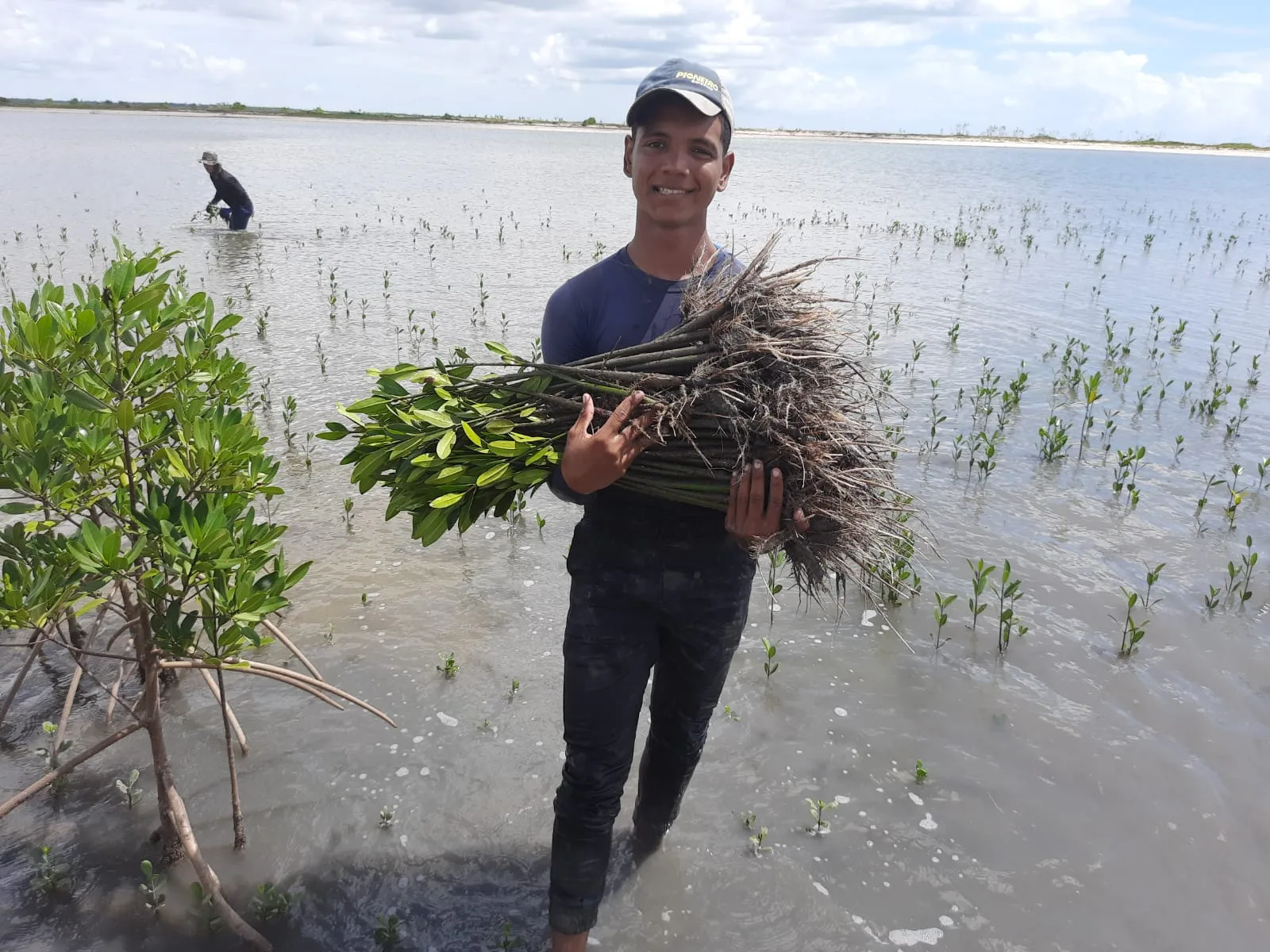
Implementing this project brings both economic and social benefits to the community by creating employment opportunities and encouraging local involvement in environmental conservation. As part of this effort, every 10,000 trees planted generates approximately 20 workdays, providing stable income and fostering community engagement. Additionally, the initiative strengthens the bond between people and their natural environment, promoting environmental stewardship and sustainable land management practices.
Verification & Transparency
To ensure full transparency and traceability, this project employs cutting-edge monitoring technologies, including geospatial data layers, geotagged photos, drone and satellite imagery. These tools help track progress, confirm reforestation efforts, and provide clear, verifiable evidence of impact.