%20(1).avif)

How to Evaluate Corporate Tree-Planting Providers in 7 Steps

You're investing in corporate tree-planting to hit your ESG targets while winning over eco-conscious customers and lift metrics like retention, yet many providers offer unverifiable claims that risk greenwashing accusations. With 78% of consumers now scrutinising sustainability proof before buying, choosing wisely is crucial for ROI. We'll guide you through our 7-step evaluation process to select partners delivering real impact and business growth.
Introduction
In 2026, sustainability is no longer a "nice-to-have" for businesses, it is a core operational requirement. Customers today vote with their wallets, and they are increasingly savvy about distinguishing between genuine impact and performative marketing. For business owners, this means that selecting a corporate tree-planting partner is a strategic decision that carries real reputational weight.
Choosing the right provider isn't just about putting saplings in the ground; it is about ensuring long-term survival, biodiversity, and community support. A poor choice can lead to accusations of greenwashing, while the right partnership can boost Average Order Value (AOV), increase customer retention, and solidly align your brand with tangible climate action. We know that navigating the options can be overwhelming, so we have broken down exactly how to vet potential partners to ensure your investment drives real returns for the planet and your business.
Let’s dig in.
What Are Corporate Tree-Planting Providers?
Corporate tree-planting providers are specialised organisations that bridge the gap between businesses and global reforestation projects. They handle the logistics of sourcing land, selecting species, planting, and maintaining forests on behalf of companies looking to meet CSR (Corporate Social Responsibility) or ESG goals.
These providers range from non-profits managing local woodlands to tech-enabled platforms like Greenspark or Ecologi that integrate impact directly into business operations. The goal is to make environmental action accessible without requiring your company to hire its own team of ecologists. As noted by industry experts:
"Corporate tree planting involves planting trees as a part of a company's CSR or sustainability initiative. This practice not only helps to offset carbon emissions but also provides numerous benefits to the environment and society." (Cloudforests.ie)
Why Evaluate Your Tree-Planting Provider?
The stakes are high. If a provider fails to manage a project correctly, planting the wrong species or ignoring local land rights, it can cause more ecological harm than good. For a business, backing a failed project is a significant risk. In an era where transparency is paramount, your customers will expect proof that your contributions are making a difference.
Proper evaluation protects your brand from "greenwashing", the practice of making misleading claims about environmental benefits. By vetting your provider, you ensure that your budget funds verified, high-quality projects that withstand scrutiny.
"Greenwashing: corporate tree planting generates goodwill but may sometimes harm the planet." (Eco-Business)
How the Evaluation Process Works
Evaluating a provider requires looking beyond the price per tree. You need to assess their scientific rigour, their reporting capabilities, and their social impact. Think of this process as due diligence for a new supplier or software partner. You are looking for reliability, data integrity, and alignment with your business values.
We recommend a structured approach that moves from your internal goals to external verification. This ensures that by the time you sign a contract or integrate an API, you are confident that the partnership will deliver value to your bottom line and the environment.
.avif)
Step 1: Define Your Corporate Goals and Needs
Before speaking to providers, you must clarify what "success" looks like for your business. Are you trying to offset a specific carbon footprint, or are you looking for a customer-facing engagement tool to boost conversion rates at checkout? Your objective dictates the type of partner you need.
If your goal is purely marketing, you might prioritise projects with high-quality visual assets. If your goal is strict ESG compliance, you will need rigorous verification standards.
- Assess Your Needs: Determine what you want to achieve. Are you looking to offset carbon emissions, meet ESG goals, or enhance your CSR programme?
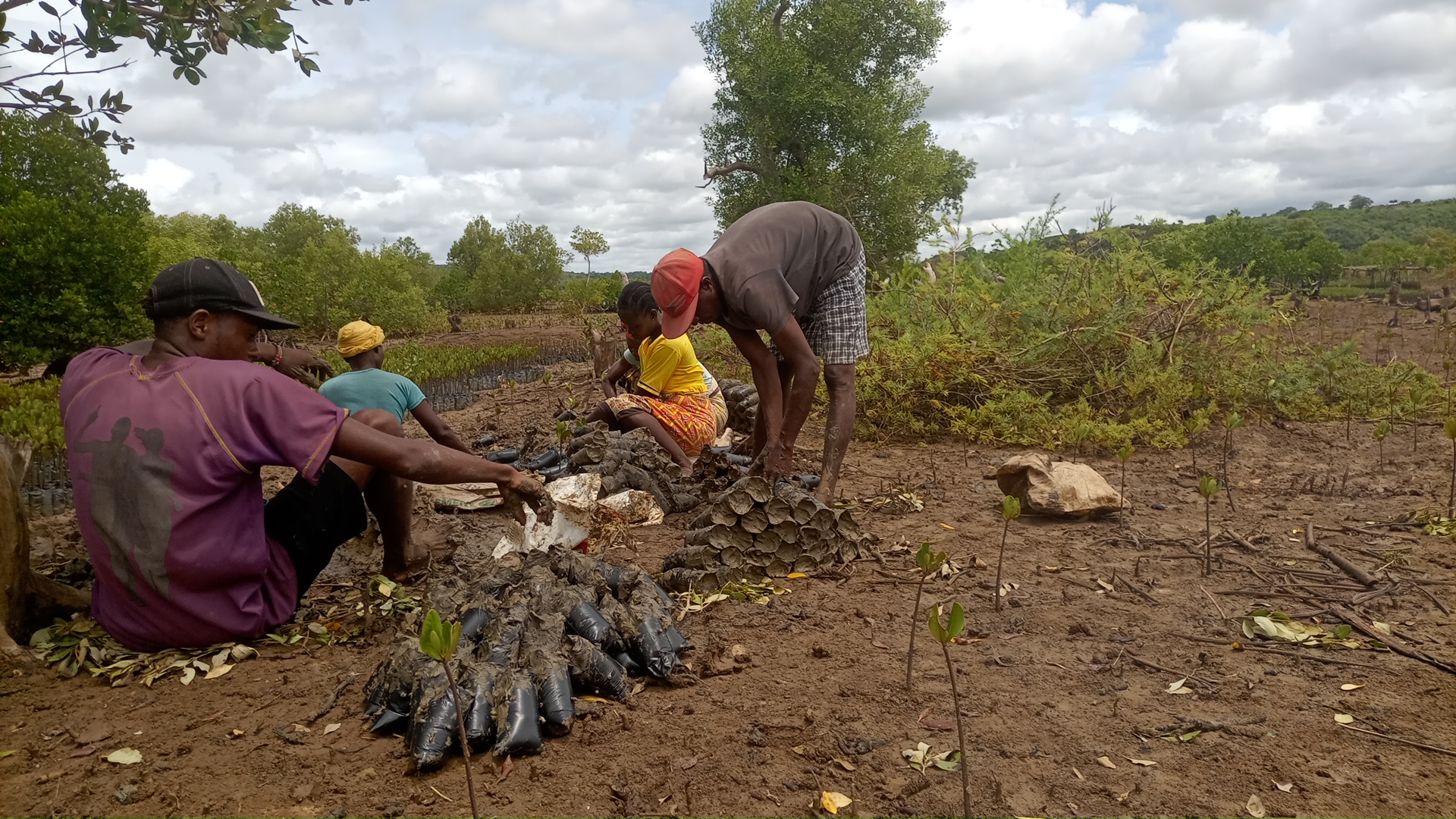
- Choose Your Projects: Select the regions and project types (e.g., mangroves, agroforestry) that align with your company’s values.
Step 2: Verify Certifications and Track Record
Anyone can claim to plant trees, but few do it with technological precision and verified accountability. You need a partner that leverages cutting-edge technology like satellite monitoring, drone surveys, and IoT sensors to assess planting sites and track forest health over time. This technological approach ensures that reforestation efforts are data-driven and appropriate for each specific ecosystem.
Look for providers that work with accredited projects and hold robust third-party certifications from recognised standards like Verra, Gold Standard, United Nations, or Plan Vivo. These certifications provide independent verification of project quality and impact. A strong track record isn't just about the number of trees planted; it's about verified survival rates, and documented ecosystem restoration backed by remote sensing technology.
Step 3: Assess Transparency and Reporting Standards
In the digital age, impact must be visible. Your customers want to see where their tree was planted, not just be told it exists. The best providers offer a dashboard or digital ledger that tracks your impact in real-time.
At Greenspark, we believe in Impact-as-a-Service. This means providing businesses with data-backed storytelling tools, like dynamic impact widgets, public dashboards and on the ground monitoring, that show customers exactly how many trees have been planted or how much plastic has been rescued. This level of transparency builds trust and improves conversion.
"Our technology provides thorough tracking and reporting for each tree that is planted. You are able to track the development of your trees, view the precise position of your forest, and even obtain plantation certifications." (Greenspark)
Step 4: Evaluate Project Quality and Ecological Fit
A tree is not a standalone unit; it is part of a complex system. "Monocultures" plantations of a single species—often fail to support biodiversity and are vulnerable to disease. High-quality providers focus on biodiversity and restoring native ecosystems.
Ask potential partners about their planting strategy. Do they conduct soil assessments? Do they plant a mix of native species? If they cannot answer these questions, it is a red flag.
Step 5: Review Monitoring and Verification
Planting the tree is only the first step. The real work is keeping it alive. Young trees need protection from grazing animals, droughts, and competing vegetation. A credible provider will have a long-term monitoring plan in place, often spanning several years.
You should ask how they verify survival rates. Do they use satellite imagery? Do they have boots on the ground? Without verification, you have no guarantee that your investment has resulted in a mature forest.
Step 6: Examine Community Involvement and Social Impact
Sustainable reforestation is impossible without the support of local communities. The most successful projects employ local people to plant and guard the forest, providing fair wages and economic alternatives to deforestation. This creates a cycle of stewardship rather than exploitation.
At Greenspark, we vet projects not just for environmental metrics but for social goals, creating tangible economic benefits in the regions where we operate. Make sure that the projects you choose are evaluated along the United Nations Sustainable Development Goals (SDGs) to ensure the greatest impact on people and planet.
Step 7: Analyse Costs, Scalability, and Partnership Potential
Finally, consider the business fit. While it might be tempting to find the cheapest option, extremely low prices often signal poor management or lack of verification. Quality reforestation involves site preparation, labour, and long-term monitoring.
You also need a solution that scales with you. Can the provider integrate with your e-commerce platform (like Shopify or WooCommerce) to automate planting with every sale? Do they provide a comprehensive API that fits your needs? Automation reduces administrative overhead and makes climate action seamless.
Cost Reality: Tree planting has very diverse costs depending on tree type and location. Many providers out there charge additional fees with less money going to projects. You want to make sure that the project you choose has the right verification while offering the integration technology you need.
"Greenspark ties in with our own ethical credentials. Great on price and we can't think of one reason why anyone would not want to join this growing community." - Netty Wilson, Director, Budeful

Best Practices for Long-Term Success
To maximise the ROI of your sustainability initiative, view it as an ongoing engagement strategy rather than a one-off donation. Integrate the story into your customer journey - on product pages, at checkout, and in all stakeholder communications.
- Select the right species for the local ecosystem to ensure survival.
- Ensure maintenance is included in your contract or funding.
- Monitor and verify data regularly.
- Work with local communities to ensure social responsibility.
Common Mistakes to Avoid
The most common pitfall is prioritising volume over value. Planting a million trees that die in a year is worse than planting ten thousand that thrive for a century. Make sure that your project provider has adequate monitoring in place to ensure you do not fall into this mistake.
Conclusion
Evaluating a corporate tree-planting provider requires diligence, but the rewards for your business are substantial. By choosing a partner that prioritises transparency, ecological science, and community impact, you turn a compliance line item into a powerful brand asset.
We have seen firsthand how verified impact drives growth. Our platform helps brands like yours integrate climate action seamlessly, boosting loyalty and revenue while healing the planet.
Ready to seed the earth and grow your brand’s climate credentials? Book a demo today.
Frequently Asked Questions
How much does it typically cost to plant a tree through a corporate provider?
Expect $0.5-$10 per tree depending on location, species, and monitoring included. Premium projects with verification and community involvement can be on the more expensive side, covering site prep, labour, and multi-year survival tracking.
How can businesses track individual tree planting impact?
Use provider dashboards with GPS coordinates, satellite imagery, and photo updates. Platforms like ours offer deep insights into planting sessions to ensure you have all the data you need.
What tree survival rates should reputable providers achieve?
Aim for at least 80% survival after 3-5 years, verified via field audits or drones. Poor providers often claim 100% without evidence.
How does tree planting directly improve e-commerce metrics?
Brands see +12% checkout conversion and +16% AOV by displaying "Your purchase plants a tree" at checkout. This builds trust, with retention uplifts up to 36% from proven impact storytelling.


.avif)