


The waste challenge in Jepara
At the northern tip of Central Java lies Jepara, a coastal region known for its world-class woodcraft and proximity to the beautiful Karimunjawa islands.
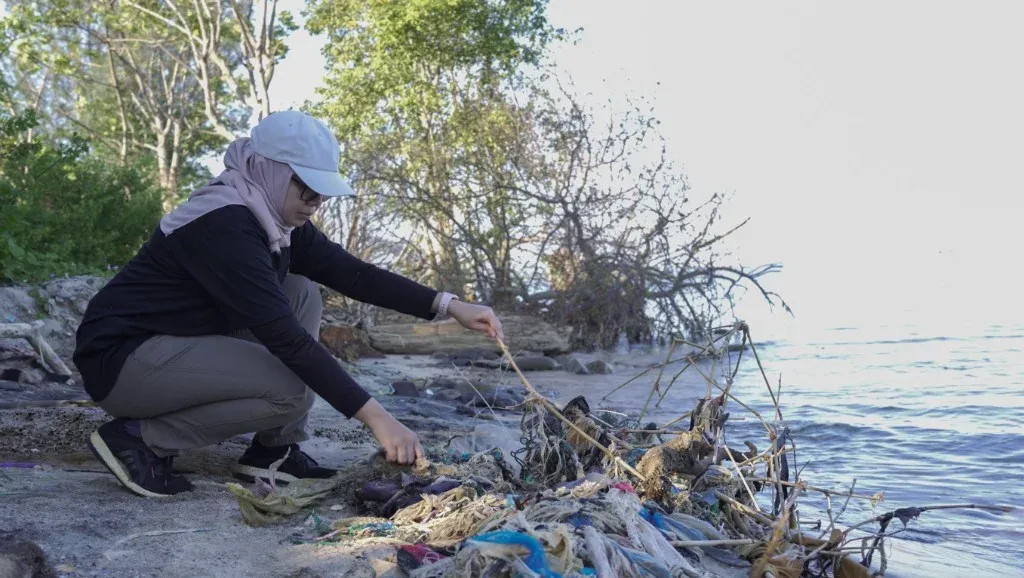
But behind the scenery, Jepara has been facing a growing waste problem.
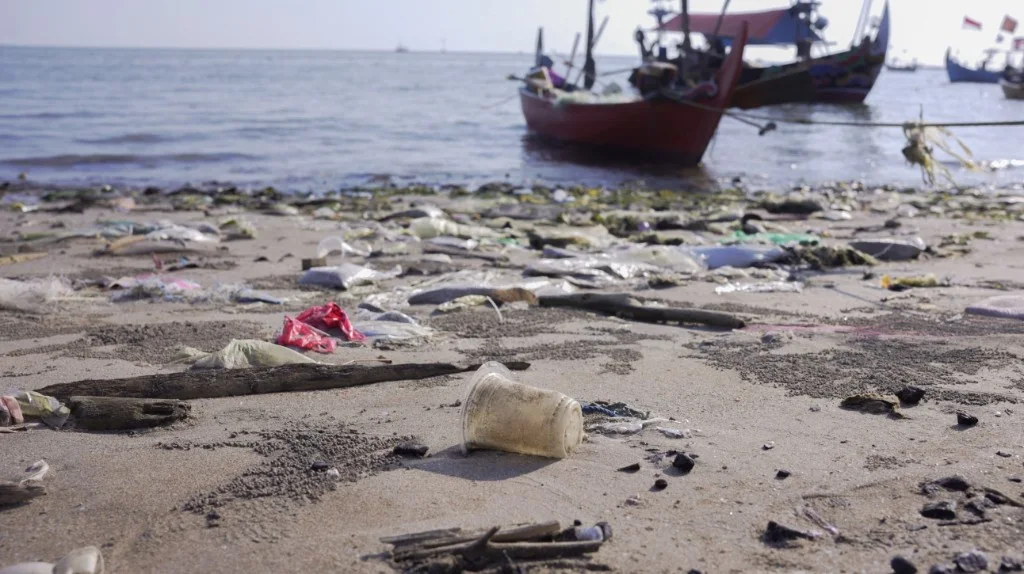
In communities without reliable collection, household waste can accumulate in landfills, be burned in backyards or leak into rivers and the sea. Plastic pollution is particularly challenging when there is little economic value in collecting and processing it.
One local resident decided things had to change.
Dr. Fauziah Rochman grew up in Jepara before pursuing a successful career as a biologist in Canada. When she returned home with her family, she was confronted by the scale of the waste problem affecting the place where she grew up.
Rather than wait for someone else to solve it, she and her husband decided to act.
The setup
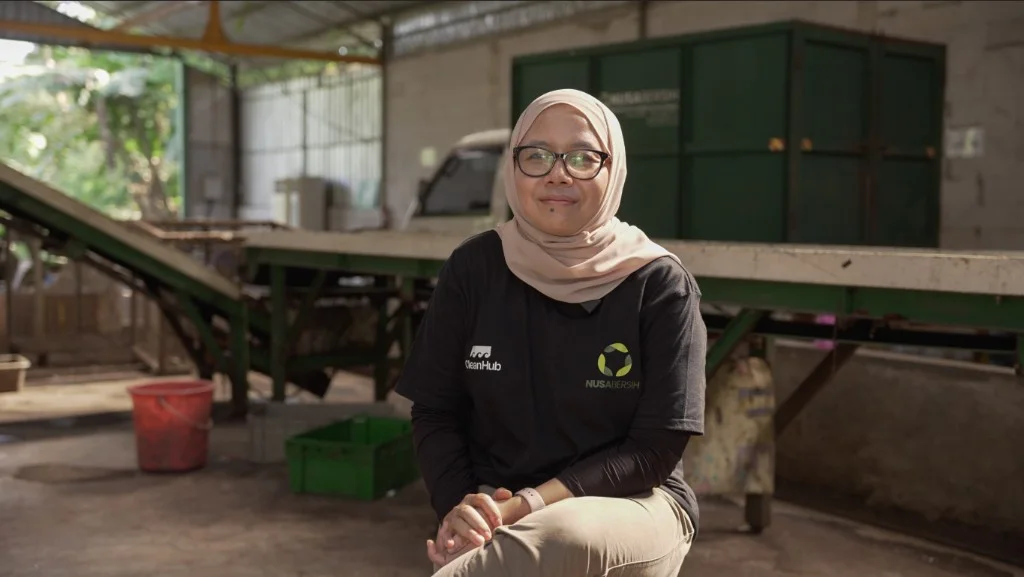
Clean Jepara started as a local response to a local problem. Dr. Fauziah Rochman and her husband founded Nusabersih in 2024, using their own savings to build a Material Recovery Facility from the ground up.
The aim was to give Jepara something it desperately needed: a reliable system for collecting, sorting and responsibly processing waste.
CleanHub later partnered with Nusabersih after visiting the operation and seeing the team’s commitment, impact and long-term vision.
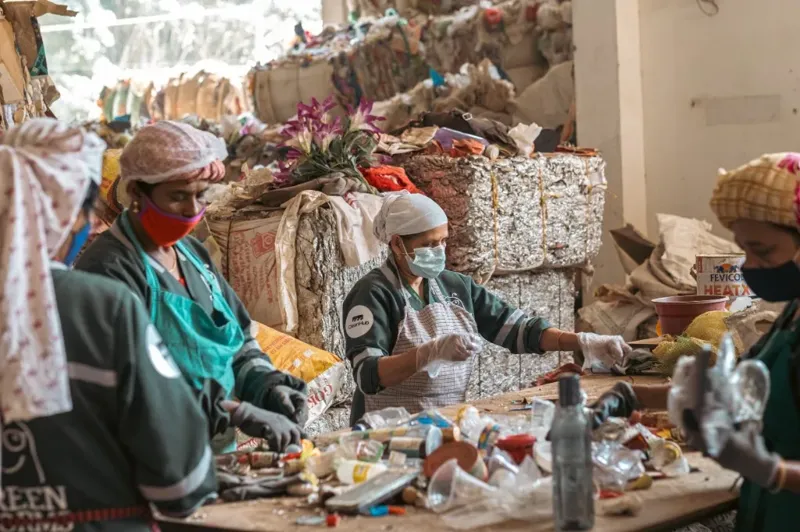
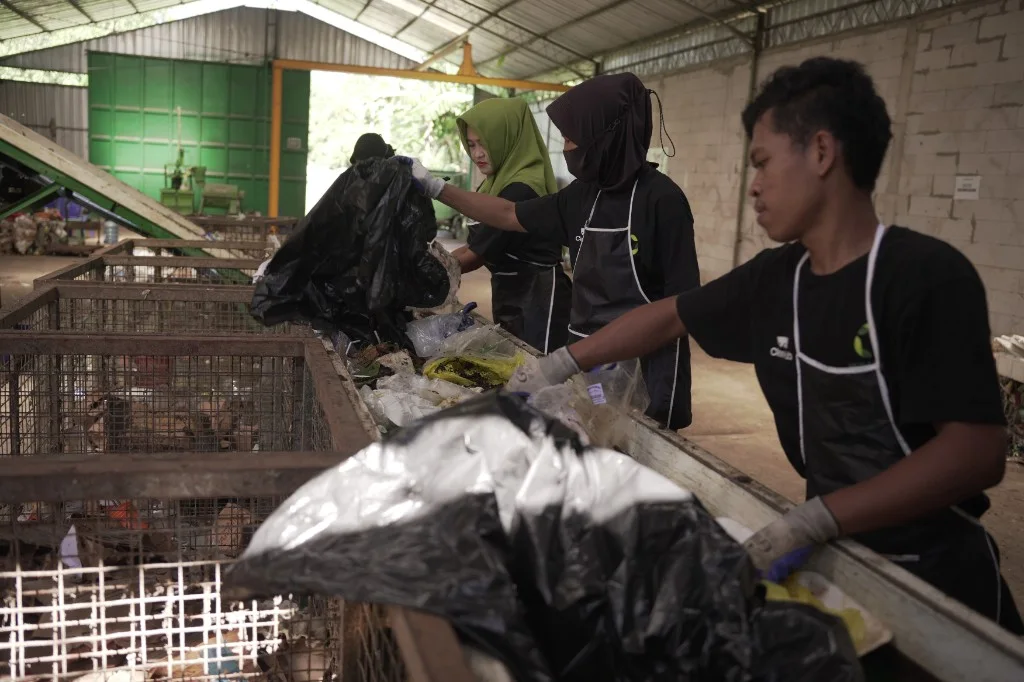
Today, the project connects households, schools and businesses to regular waste collection while providing the infrastructure needed to sort and responsibly process the material collected.
The operation currently employs 10 waste workers and collects waste from 16 locations across Jepara.
How waste collection works
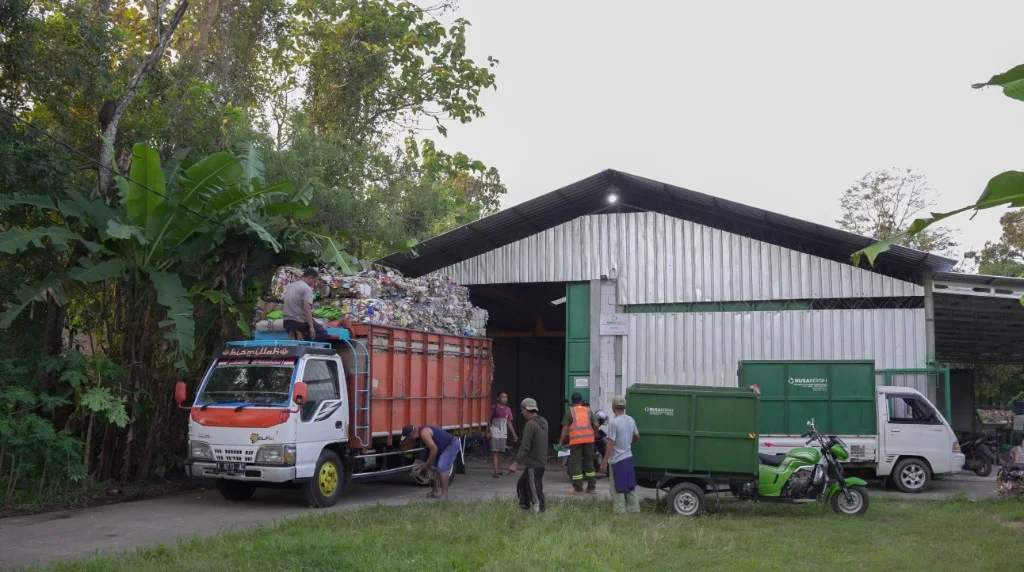
Waste is collected locally, sorted by material type and tracked through to its final destination. Recyclable materials are given another life wherever possible, while non-recyclable plastic is responsibly processed rather than being dumped, burned or left to leak into the environment.
Collection
Waste is collected from homes, schools and small businesses across the community.
Digital registration
Collection data is recorded using CleanHub’s technology, creating digital evidence of the waste entering the recovery system. Depending on the collection route, records can include QR-based registration, GPS information, weight data and photographic evidence.
Data checks
CleanHub’s technology reviews the collection data for inconsistencies. Machine-learning tools can analyse collection images, compare recorded weights and identify duplicate evidence, providing an additional layer of quality control.
Sorting
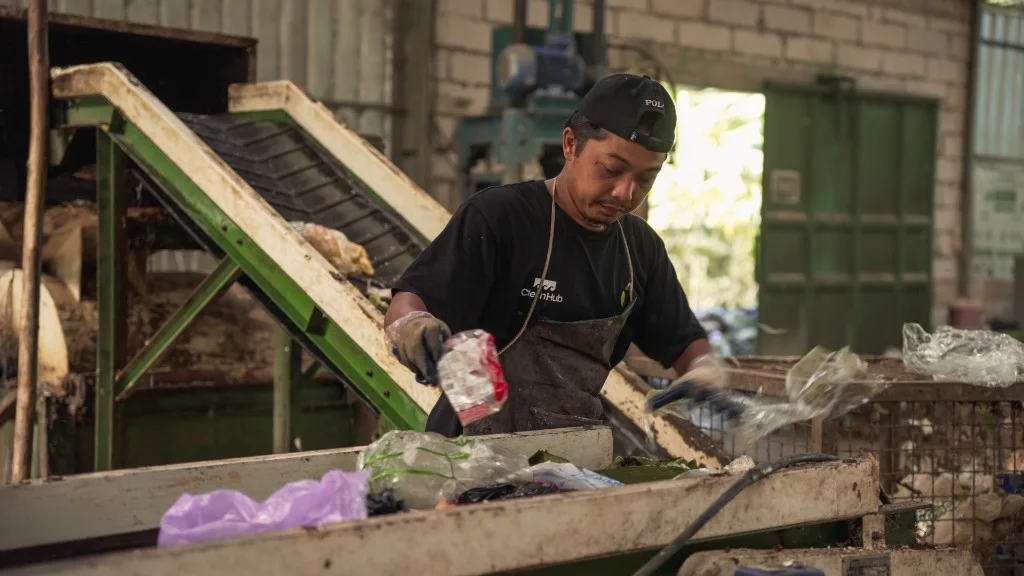
Collected waste is brought to the Nusabersih Material Recovery Facility and separated into different material types. Recyclable materials are directed towards suitable recycling routes.
Responsible recovery
Plastic that cannot be recycled is sent for controlled co-processing. This provides a responsible treatment route for difficult materials that might otherwise be dumped, openly burned or sent to landfill.
Track and trace
Records continue through sorting, transportation and final processing, creating a traceable chain of evidence showing what happened to the recovered material.
Additionality
Additionality means supporting recovery that would otherwise be unlikely to happen. In Jepara, that means helping a locally built solution continue operating, recover difficult waste and expand its reach to more of the community.
Building something that did not exist before
Nusabersih was founded in 2024 because the existing waste system was not meeting the needs of the local community.
Dr. Fauziah Rochman and her husband invested their own savings to build the Material Recovery Facility from scratch.
The facility created new local capacity to collect, sort and responsibly process waste.
Making the model financially sustainable
Despite the need for the service, the operation continues to run at a loss.
Waste management, particularly the recovery of low-value and non-recyclable plastic, does not always generate enough revenue to cover the cost of collecting and responsibly treating the material.
External funding helps close this gap.
Helping the solution grow
Our funding supports an existing local team with the infrastructure and determination to solve Jepara’s waste problem.
Rather than simply funding material that would already have been recovered commercially, support can help Nusabersih collect more difficult waste, connect more people to formal waste management and grow a system that would otherwise struggle to scale.
Environmental and social impact
Clean Jepara combines plastic recovery with long-term investment in local waste infrastructure, employment and community participation. The aim is not simply to clean up waste after it reaches nature, but to build a system that helps prevent pollution at its source.
Less plastic entering nature
Regular waste collection gives households, schools and businesses an alternative to dumping or openly burning their waste.
The project currently collects around 8 tonnes of non-recyclable waste every month, helping keep difficult plastic away from landfills, open burning and the natural environment.
Stronger local waste infrastructure
The Material Recovery Facility gives Jepara local capacity to sort and process collected waste.
Instead of relying only on individual clean-ups, the project is building a permanent system that communities can continue to use.
Local jobs
The project currently employs 10 waste workers, creating local employment while helping provide an essential community service.
Workers and facilities are socially audited and continuously monitored for compliance.
Community participation
Nusabersih works with households, schools and businesses while also engaging the wider community through education and local partnerships.
Building awareness alongside physical waste infrastructure helps address the problem at its source and encourages better waste management over the long term.
How the impact is tracked
Every recovery journey creates a digital trail from collection through to final processing. CleanHub combines on-the-ground evidence, technology and human oversight to help verify that reported recovery has actually taken place.
- 1
Collection
GPS, location, weight and photographic evidence can document where material enters the system.
- 2
Sorting
Records track how waste is classified and separated at the Material Recovery Facility.
- 3
Transport
Vehicle information, weights and handover records help document the movement of material.
- 4
Final processing
Documentation from recovery facilities provides evidence of the material reaching its intended destination.
- 5
Impact allocation
Verified recovered quantities are allocated against funded impact, with controls designed to prevent the same recovery from being counted more than once.
Independent verification
Digital tracking is combined with independent verification to create a transparent record of plastic recovery from collection through to final processing. QR-based registration, GPS and weight data, photographic evidence, automated image checks and duplicate detection help validate each stage of the recovery journey, while CleanHub’s technology creates a traceable chain of custody across sorting, transport and treatment.
The system is independently verified by TÜV SÜD under ISO 14064-3:2020, including its data controls, recovery records and allocation methodology, helping ensure that reported plastic recovery is accurate, traceable and protected against double counting.

Collection
Location, GPS, weight and photographic evidence
Sorting
Material classification and supporting records
Transport
Vehicle information, weights and handover confirmations
Processing
Evidence of final recovery
Allocation
Independent controls against double counting