


Plastic pollution in Kerala
Kerala sits along India’s southwest coast, where a dense network of rivers connects inland communities directly with the Arabian Sea.
While Kerala has made progress in formal waste collection, significant gaps remain, particularly when it comes to processing low-value and non-recyclable plastics. Rural communities can also face long distances to suitable treatment facilities.
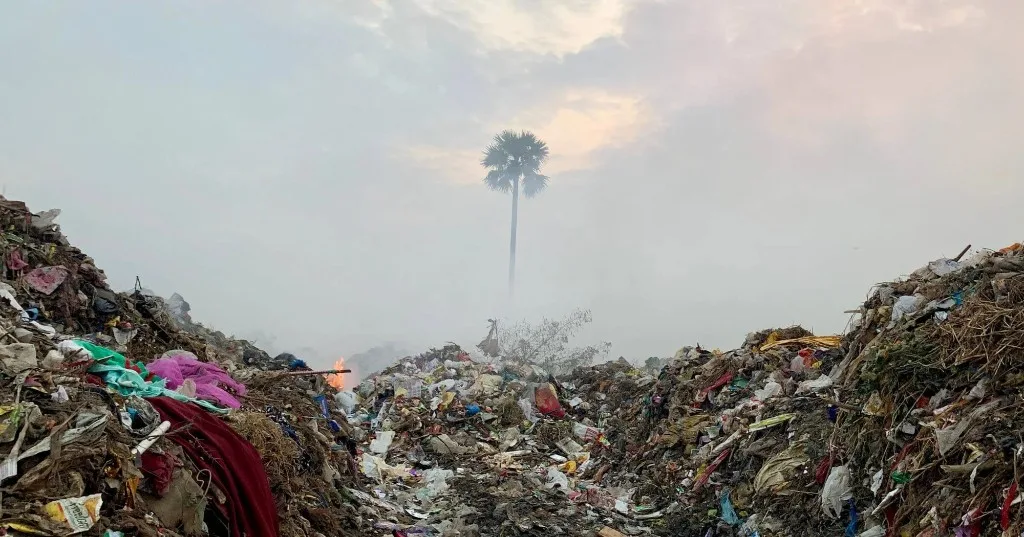
When there is nowhere for this waste to go, plastic can end up being dumped, openly burned or carried through waterways into nature and the ocean.
Clean Kerala is helping close these gaps by building reliable local collection and recovery systems where they are needed most.
The setup
It starts with local infrastructure
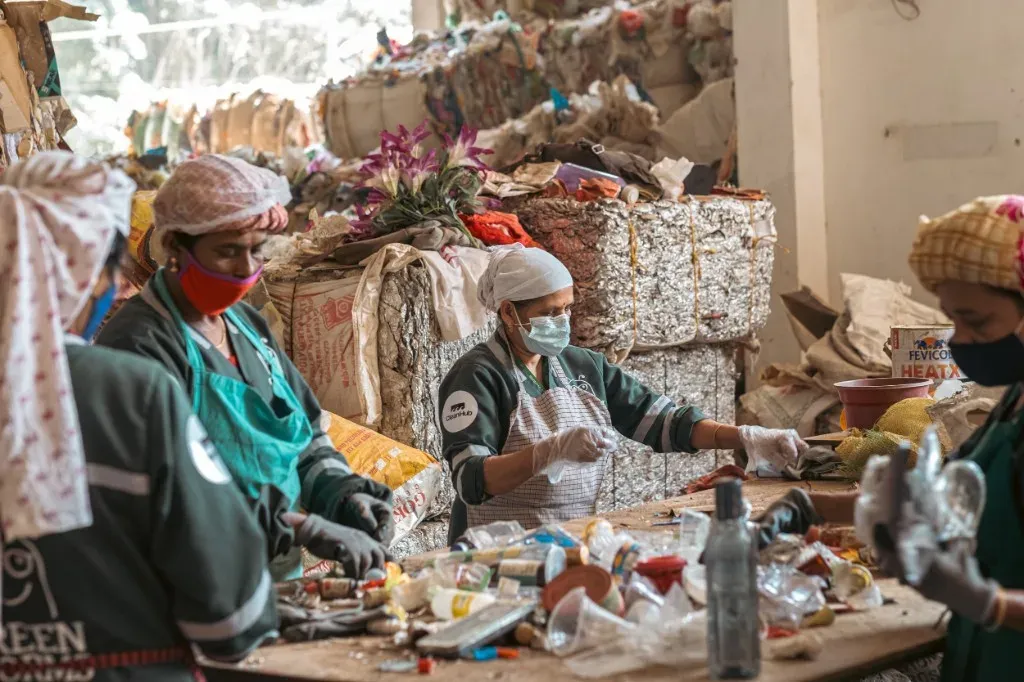
CleanHub works with Green Worms, a local waste management organisation, and communities across Kerala to build systems for collecting, sorting and responsibly processing waste.
The project currently operates across Konad, Kasaragod and Thamarassery. Each location addresses a different gap in the local waste system.
Konad
Konad previously had no formal waste collection system. Waste was commonly dumped along the seaside, burned or washed into the ocean.
Regular collection now gives households a responsible way to manage their waste.
Kasaragod
Kasaragod had another problem: waste could be collected, but there was no local processing facility. Material had to be transported to another district, making recovery expensive and inefficient.
CleanHub therefore invested directly in building a local Material Recovery Facility.
Thamarassery
Thamarassery connects dozens of rural communities to regular collection and processing infrastructure, including communities that can otherwise be overlooked by public waste systems.
Together, these projects help build the local infrastructure needed to keep plastic out of the environment for the long term.
How waste collection works
Plastic recovery is more than picking waste up. CleanHub tracks the journey from the moment material enters the system through to its final treatment.
Collection
Waste is collected from households and small businesses through local collection services.
Digital registration
At intake, collectors scan a QR code and photograph the collected waste using the CleanHub app. This creates the beginning of a digital record for that collection.
Data checks
The uploaded evidence creates a set of data points that can be checked throughout the recovery process. CleanHub uses machine-learning tools to analyse images, estimate characteristics such as bag composition and identify inconsistencies. Image deduplication helps detect whether the same evidence has been uploaded more than once.
Sorting
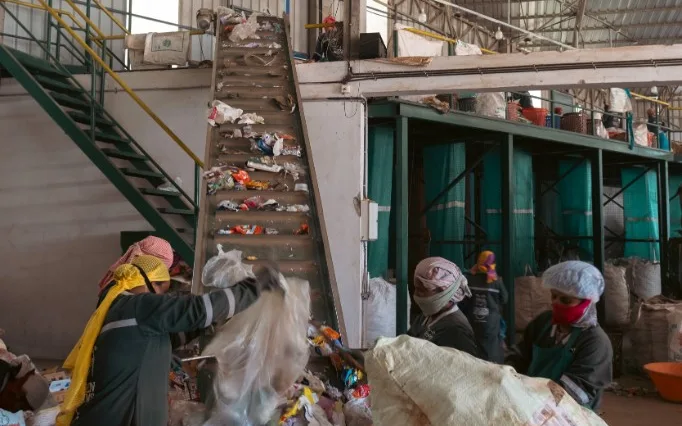
Collected waste is transported to sorting facilities, where it is separated into different material types. Recyclable materials can then be directed towards suitable recycling routes.
Responsible recovery
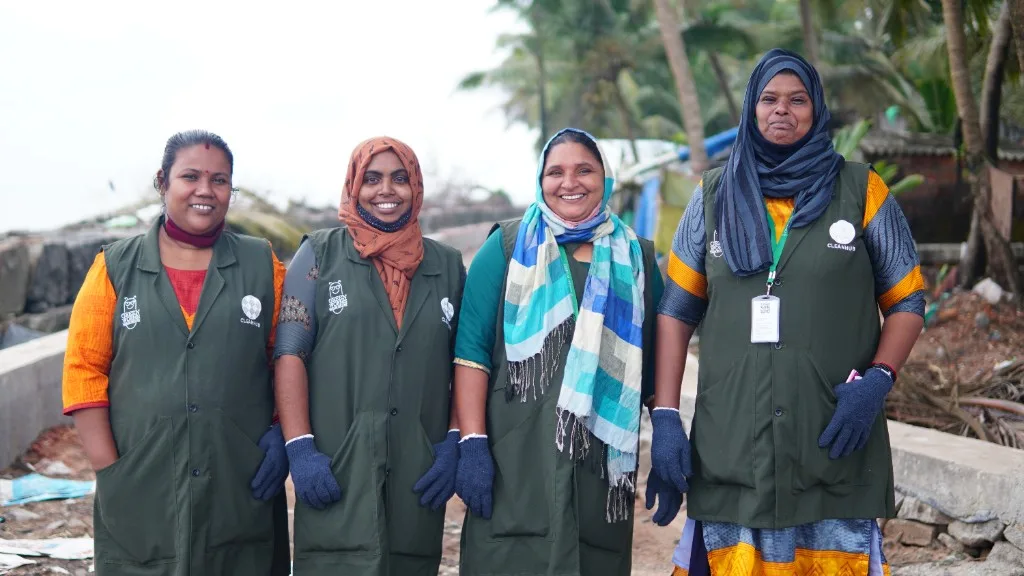
Materials that cannot be recycled are sent for controlled co-processing rather than being dumped or openly burned. During co-processing, suitable waste is used within cement manufacturing, where material and energy can be recovered while replacing some conventional inputs.
Track and trace
Evidence is recorded throughout collection, sorting, transportation and final processing, creating a digital chain of custody for the recovered material.
Additionality
For plastic recovery to create meaningful impact, it should support activity that would otherwise be unlikely to happen.
That is particularly clear across Clean Kerala.
In Konad, there was no formal waste collection system before the project.
In Kasaragod, waste processing infrastructure was missing altogether. CleanHub directly invested in a new Material Recovery Facility to address that gap.
The project also helps tackle plastics for which the economics of recovery are difficult. Low-value and non-recyclable materials often provide little financial incentive for collection, even though they can be among the materials most at risk of being dumped, burned or leaking into nature.
CleanHub’s approach is to support recovery where there is a genuine infrastructure or economic gap, helping make collection and responsible treatment possible where the existing market alone does not.
Environmental and social impact
Clean Kerala is designed to create lasting benefits for both people and the environment.
Keeping plastic out of nature
Reliable collection gives households and businesses an alternative to dumping or burning their waste, while local processing infrastructure helps ensure collected material has somewhere responsible to go.
Creating dignified local jobs
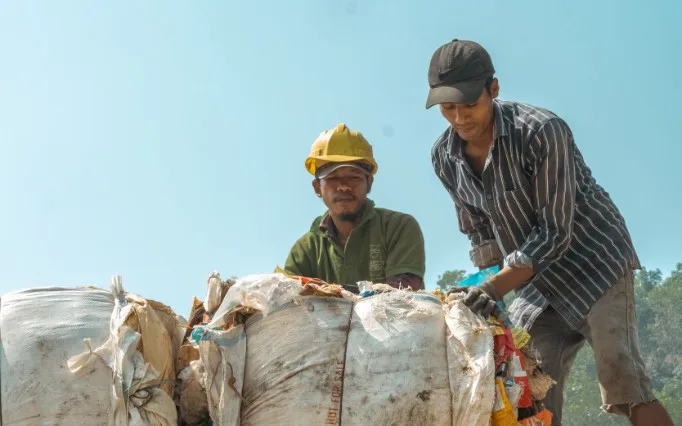
The project supports local employment, including women-led collection teams and self-help groups.
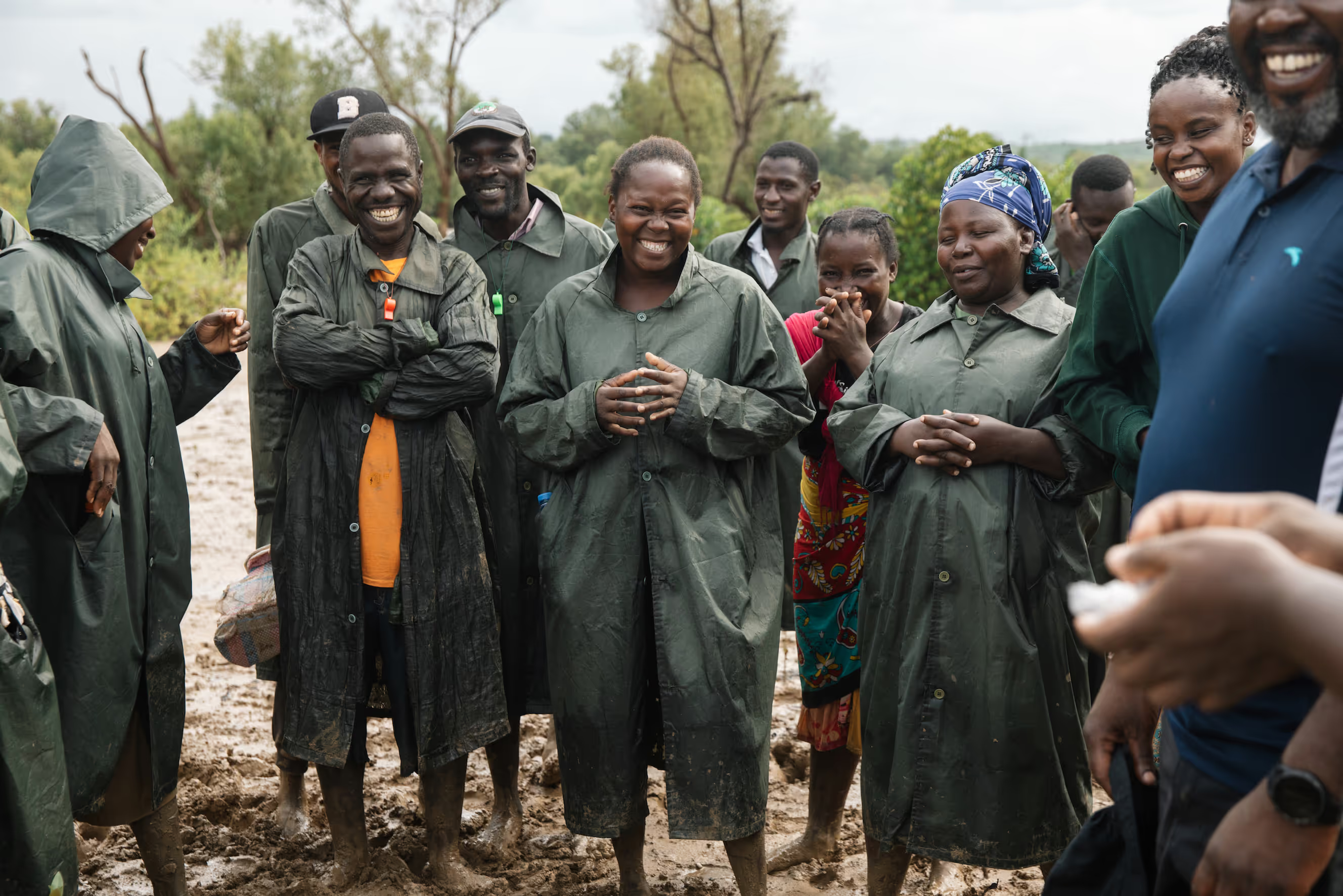
For example, in Konad a team of local women took responsibility for helping make their community waste-free, creating a source of income while providing a service that previously did not exist.
Supporting safer waste management
Workers and facilities are regularly monitored for social compliance. CleanHub also uses technology to help identify potential safety issues, such as workers handling waste without appropriate protective equipment.
The aim is not simply to collect more waste, but to help build a safer and more reliable local waste management system.
How the impact is tracked
Evidence from collection to final processing. Every recovery journey creates an audit trail.
- 1
Collection
Location, weight data, GPS information and photographic evidence help document where material enters the system.
- 2
Sorting
Material classification and supporting records document how the collected waste is separated.
- 3
Transport
Vehicle information and handover confirmations help track material as it moves between facilities.
- 4
Final processing
Documentation from processing facilities provides evidence that the waste reached its intended final destination.
- 5
Impact allocation
Recovered quantities are allocated only against plastic that has actually been recovered, with controls designed to prevent the same recovery from being counted twice.
This gives each stage of the recovery process supporting evidence rather than relying solely on a final collection figure.
Independent verification
CleanHub’s plastic recovery system is independently verified by TÜV SÜD under ISO 14064-3:2020.

The verification goes beyond checking that plastic was initially collected. TÜV SÜD audits the process from collection through sorting, transportation and final treatment, as well as the way recovered quantities are allocated.
Collection
GPS, weight and photographic evidence
Sorting
Waste classification and supporting documentation
Transport
Vehicle and handover records
Processing
Evidence of final recovery
Allocation
Independent checks against double counting
TÜV SÜD has also assessed CleanHub’s automated and manual data-quality controls and independently recalculated its allocation methodology.
The result is a traceable system designed to show not just how much plastic was funded, but what happened to that material throughout the recovery process.