


What is Kelp?
Kelp is a type of seaweed belonging to the brown algae family that encompasses a diverse group of underwater plants that thrive in marine environments. From the towering Giant Kelp to the slender Sugar Kelp and the robust Bull Kelp, each species contributes uniquely to the richness of the ocean ecosystems.
Kelp forests provide a vital habitat for many marine organisms, including fish, invertebrates, seaweeds, and algae. Acting as underwater sanctuaries, these forests offer shelter, sustenance, and breeding grounds for various species, thereby fostering the intricate web of life within our oceans.
Importance of Kelp in British Columbia, Canada
In British Columbia, Canada, kelp holds both cultural and ecological significance, particularly for Indigenous communities in the Pacific Northwest. For centuries, kelp has served as a fundamental resource, utilised for sustenance, traditional medicine, and cultural practices.
However, for the past five decades, we’ve witnessed a concerning decline in global kelp forests, exceeding 40%. Factors such as climate change, overexploitation, and pollution have contributed to this degradation, threatening the ecological balance and cultural heritage associated with kelp ecosystems.
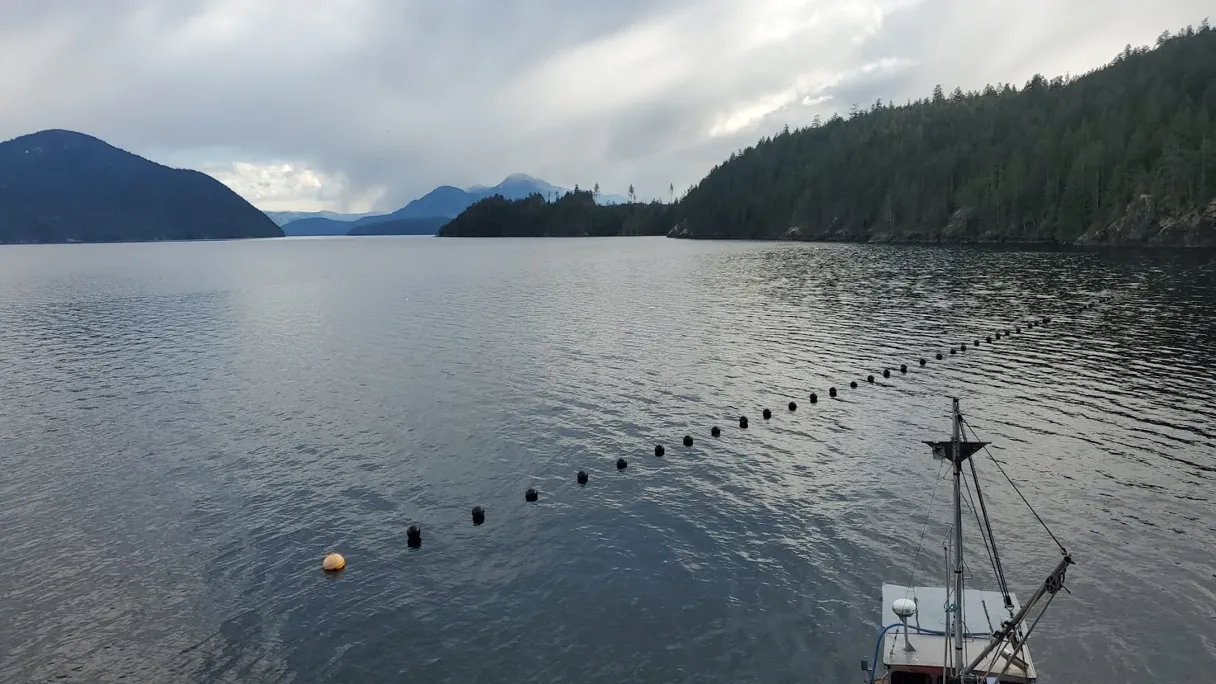
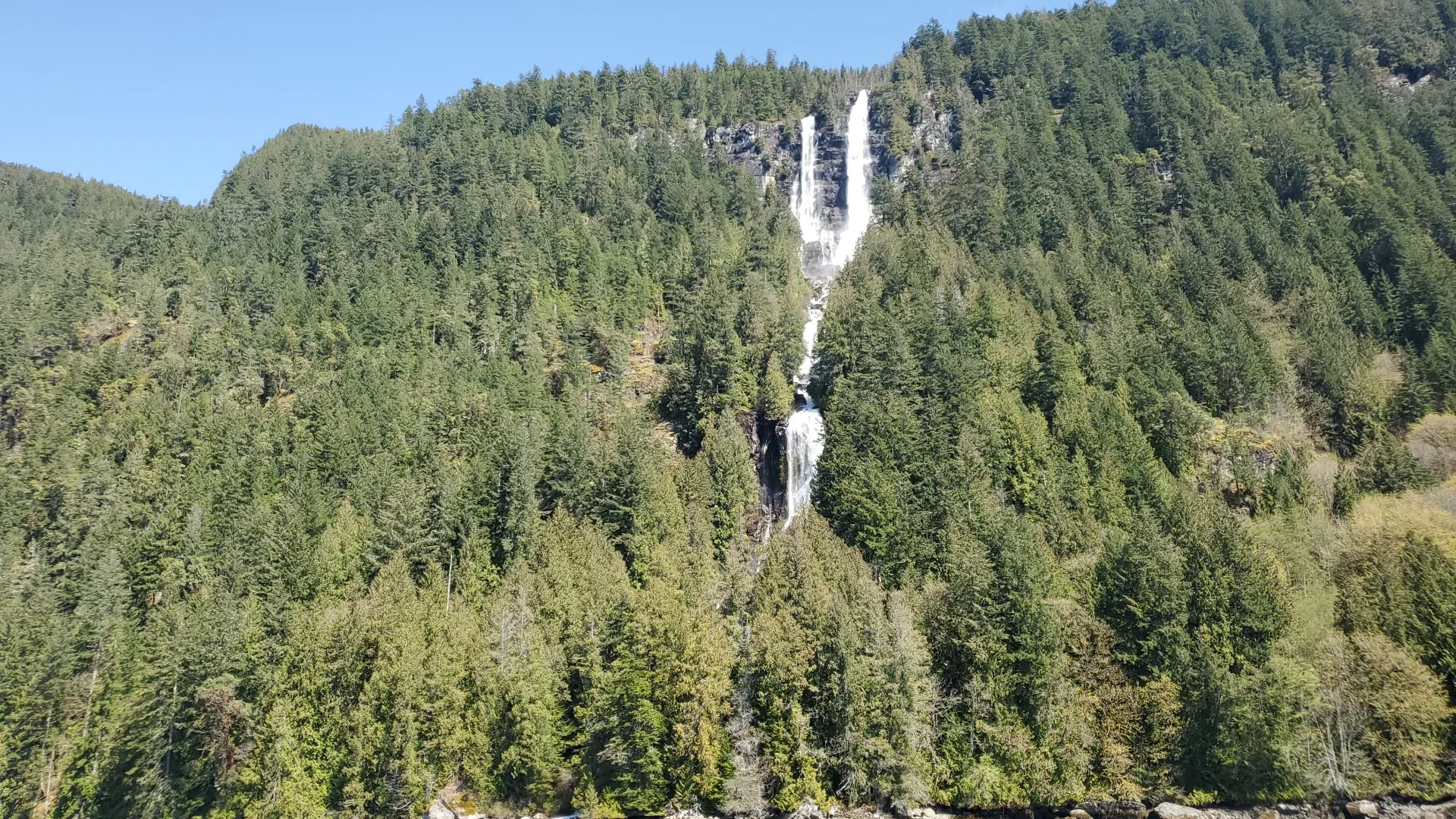
To address these challenges, collaborative efforts led by organisations like Coastal Kelp are underway to restore kelp forests along the Indigenous territories of Hotham Sound and Powell River in British Columbia. By partnering with Coastal Kelp and Indigenous communities such as shíshálh and Tla'amin, millions of Kelp Sporophytes (seeds) are being cultivated and planted in Indigenous waters.
The Process of Seaforestation And The Opportunities Created For Community Members
The process of seaforestation involves the restoring and cultivating of kelp forests through meticulous planting and nurturing techniques. Employing a mix of line and green gravel substrates, Kelp Sporophytes are propagated and strategically planted to revitalise degraded marine habitats.
This process not only restores biodiversity but also generates employment opportunities for local communities. For every 10,000 kelp planted, 20 work days are created for community members, fostering economic empowerment and environmental stewardship.
Environmental Benefits
The restoration of kelp forests also yields an array of environmental benefits. Kelp forests serve as vital carbon sinks, sequestering carbon dioxide from the atmosphere and mitigating the impacts of climate change. Additionally, these ecosystems support diverse marine species, including Herring, Salmon, and Northern Abalone, enhancing marine biodiversity and ecosystem resilience.
Verification
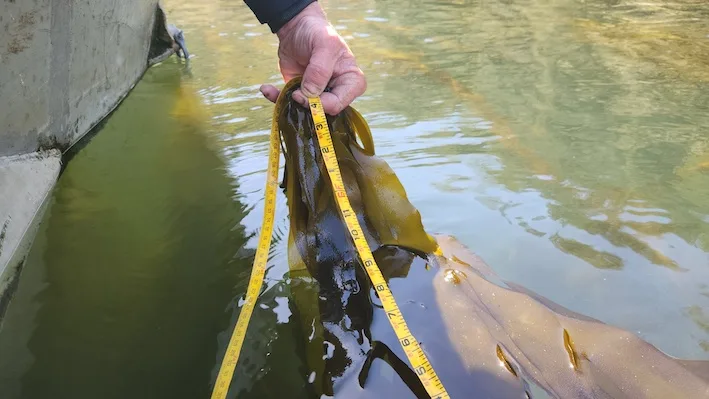
To ensure the efficacy and accuracy of kelp restoration efforts, advanced site technology is employed for monitoring and verification. Geospatial data layers, water quality sensors, and hydro-vision systems enable comprehensive assessment of restoration progress and environmental impact.