





What is Reforestation?
Reforestation is the process of restoring trees in areas that have experienced deforestation or forest degradation, which can occur due to various natural and human-induced factors such as urbanisation, agriculture, infrastructure development, forest fires, mining and more. The process involves planting trees or allowing natural regeneration to occur, aiming to rebuild forest ecosystems and restore their ecological functions.
The Importance of Reforestation in Oregon Following Forest Fires
Oregon's forests are vital ecosystems that support diverse wildlife and provide numerous ecological benefits. However, the State has recently faced unprecedented challenges due to devastating forest fires exacerbated by climate change.
In the aftermath of these fires, reforestation plays a crucial role in restoring the ecological balance of Oregon's forests. By replanting native tree species and promoting natural regeneration, reforestation efforts aim to revitalise forest landscapes, mitigate erosion, preserve habitats, and enhance biodiversity.
The Process of Reforestation
Reforestation involves six key steps to ensure the successful establishment of new trees:
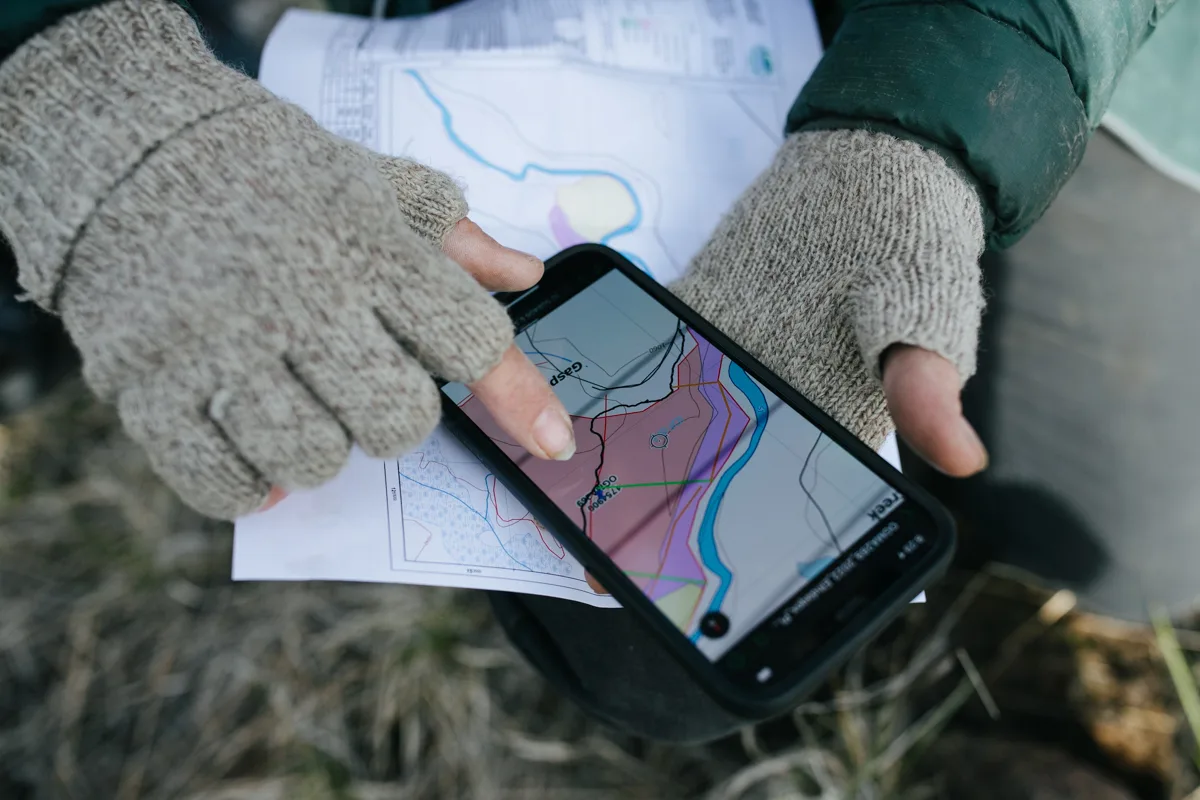
- Planning: Before planting begins, the area slated for reforestation is carefully assessed by forestry professionals. This assessment includes identifying indigenous tree species and evaluating soil conditions to determine the most suitable species and planting density.
- Seeds: High-quality seeds from native tree species are collected and processed, either from the wild or through nurseries. Seeds are carefully selected based on their origin and characteristics to ensure genetic diversity and resilience.
- Nursery: Seeds are germinated and grown into seedlings in nurseries under controlled conditions. Seedlings are nurtured until they reach the optimal size for planting, typically a few months old and several inches tall.
- Site Preparation: In some cases, site preparation may be necessary to create optimal growing conditions for seedlings. This may involve techniques such as trenching or mounding to improve soil structure and drainage.
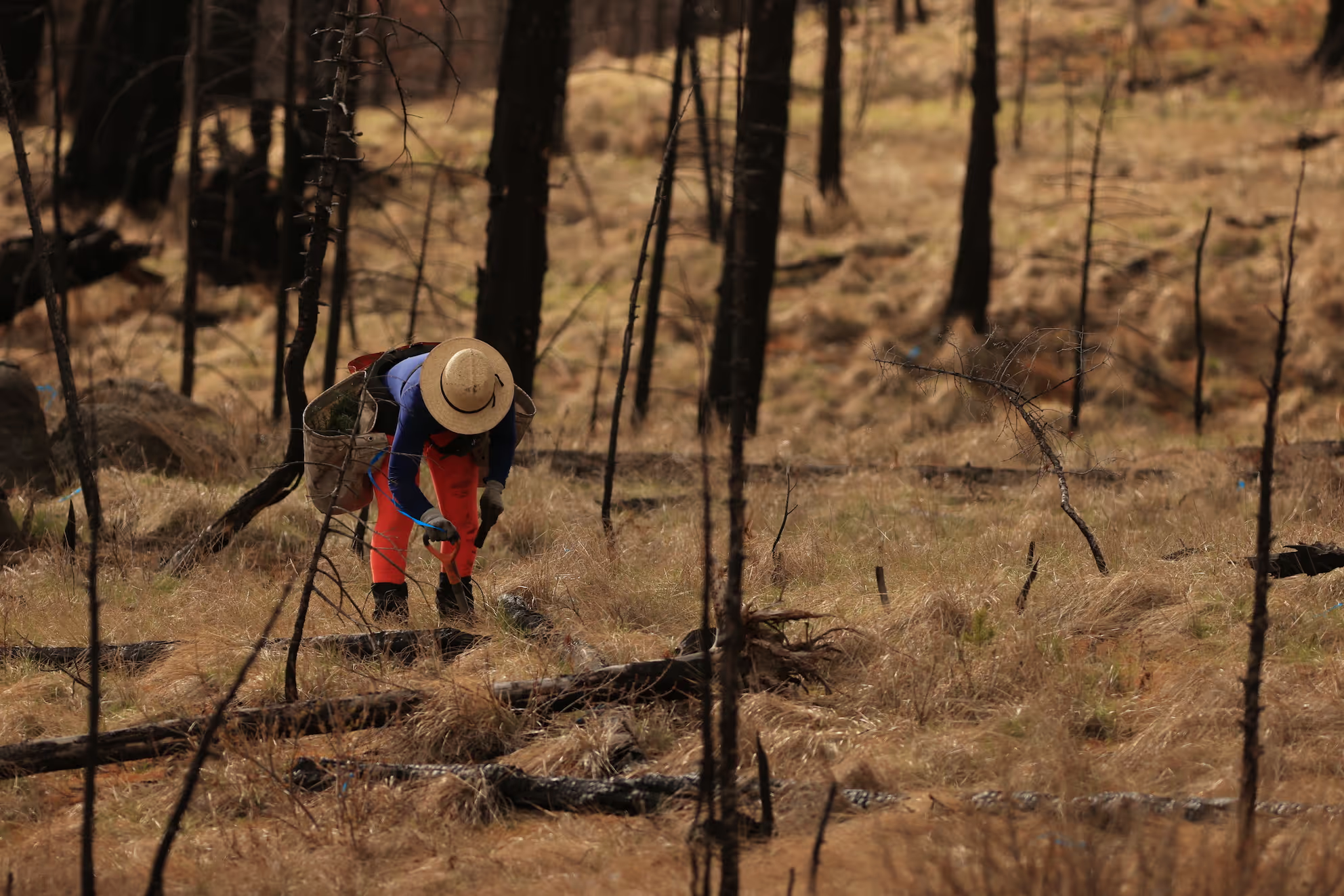
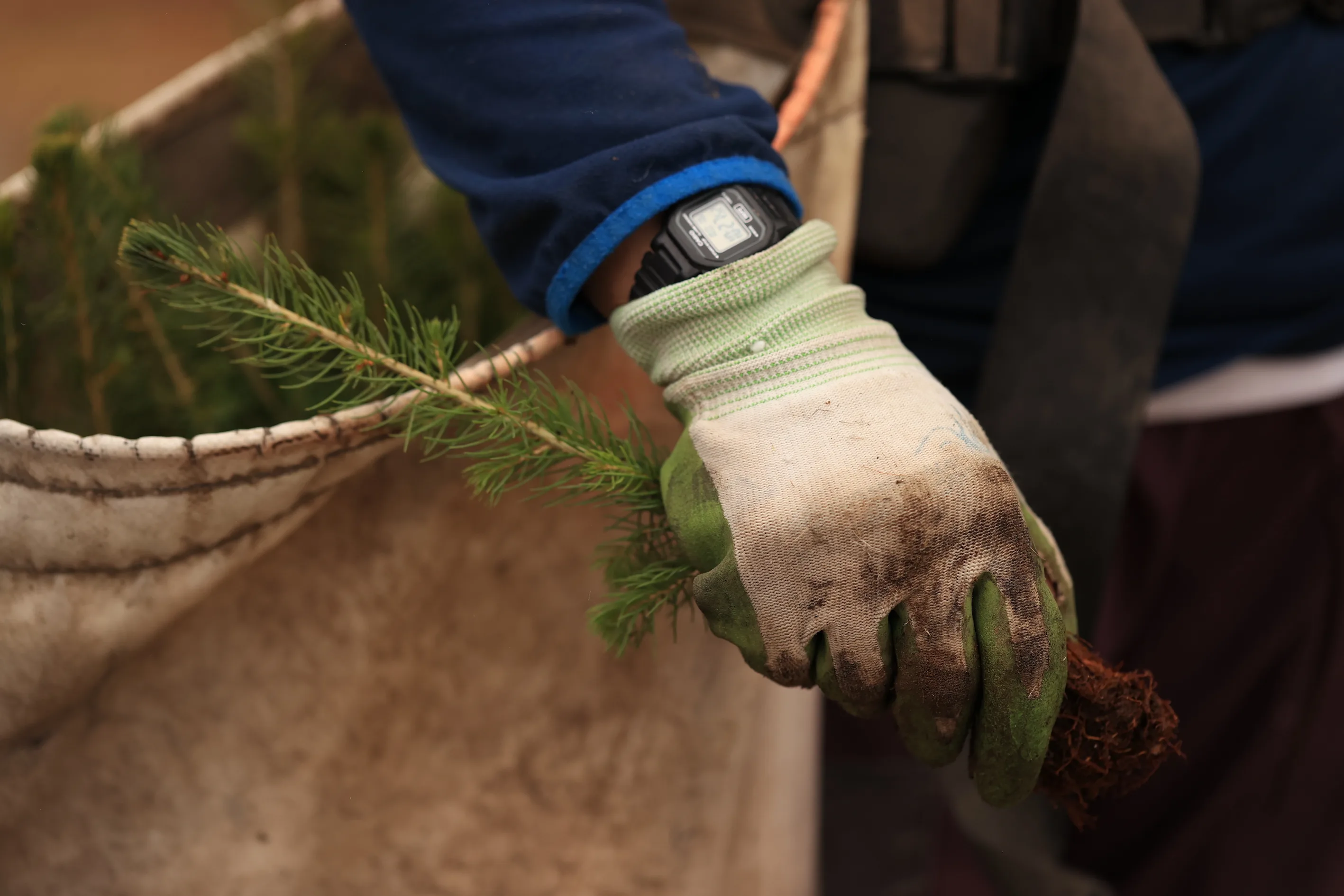
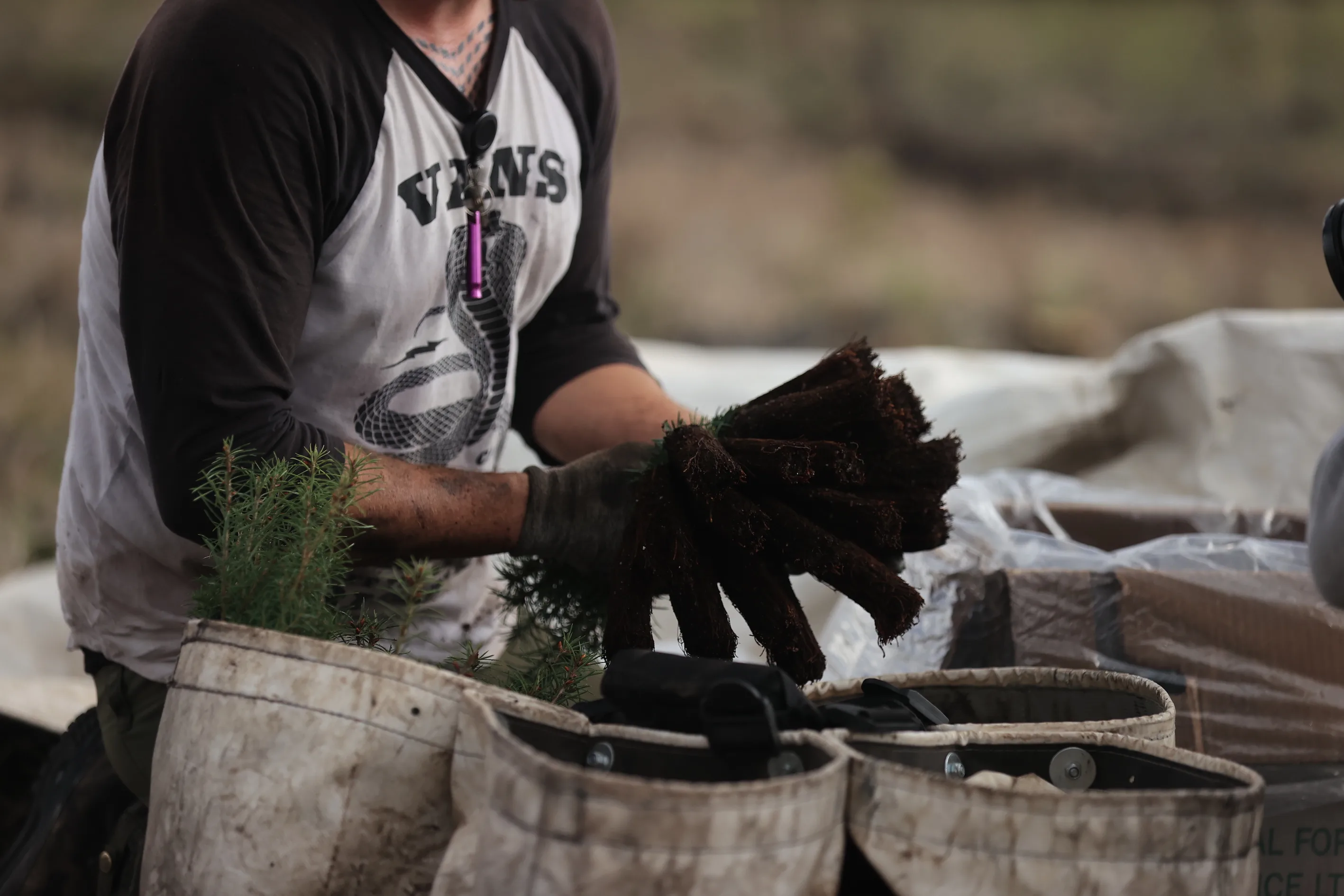
- Planting: Seedlings are transported to the reforestation site and planted by professional crews. Planting methods vary but typically involve digging holes and carefully placing seedlings, ensuring proper spacing and root integrity.
- Monitoring & Verification: After planting, ongoing monitoring is conducted to assess the growth and survival of newly planted trees. This includes tracking environmental conditions and using advanced site technology to ensure project objectives are met.
The Environmental and Social Benefits of this Project
The reforestation in Oregon has brought about a multitude of environmental and social benefits. The first is habitat restoration. By restoring forest cover the project helps preserve habitats for both threatened and endangered species such as Deer, Elk, Cougar, Bear, Trout and Spotted Owl.
As well as habitat protection the project has great benefits for mitigating climate change through the carbon sequestered. The trees play a crucial role in absorbing carbon dioxide from the atmosphere and mitigating climate change. For every tree planted an estimated 0.77 tonnes of CO2 is sequestered across its lifetime.
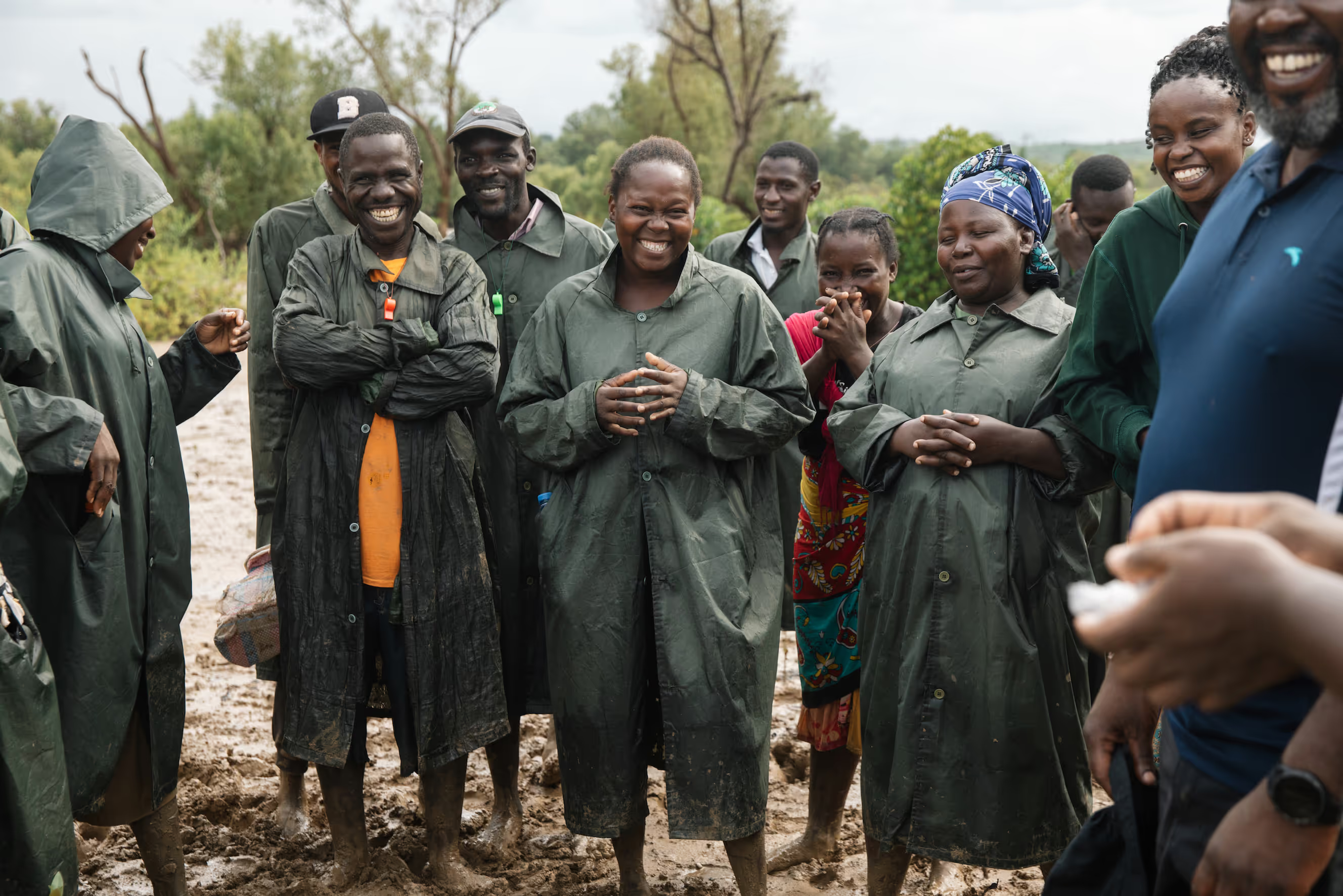
Not only great for the environment the project has brought about a significant level of economic uplift and opportunities for community members. For every 10,000 trees planted, 40 work days are created for community members. Helping ensure that the project is not only great for the environment but also great for people.
How to Support Community Reforestation Projects and Boost Your Business Impact
- Partner with Greenspark to fund verified reforestation in Oregon: Collaborate with us to invest in projects that restore ecosystems after forest fires, creating measurable environmental and social benefits you can showcase to your customers.
- Integrate real-time impact storytelling into your customer touchpoints: Use Greenspark’s platform to share transparent data on trees planted and jobs created, enhancing your brand’s authenticity and driving higher conversion rates.
- Engage your customers with educational content about reforestation: Highlight the importance of restoring Oregon’s forests and how your business contributes to ecological resilience, increasing customer loyalty and retention.
- Leverage reforestation projects to meet your sustainability goals: Align your corporate social responsibility strategy with verified climate action that delivers both environmental impact and positive ROI.
- Monitor and report your impact with Greenspark’s dashboard: Track progress on your reforestation investments and use data-backed insights to optimize your marketing and sustainability communications.
Partner with Greenspark to Fund Verified Reforestation Projects Today
Verification
To ensure the success and accountability of reforestation efforts, advanced site technology is utilised for monitoring and verification. Technologies such as dendrometers, soil sensors, tree vision systems, and weather stations enable precise data collection and analysis, ensuring the effectiveness of restoration initiatives. Read more about American Forests here.