
What is a Rainforest?
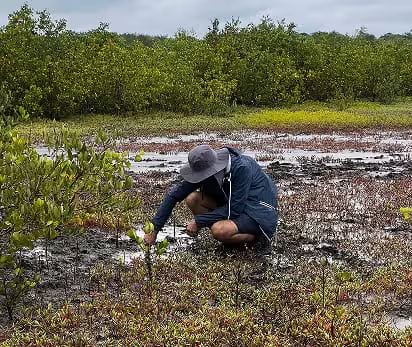
Rainforests are dense, lush forests found in regions with consistently heavy rainfall and warm temperatures. They are generally classified into two main types: tropical rainforests, located near the equator, and temperate rainforests, found in cooler coastal regions. Some of the most famous rainforests include the Amazon in South America, the Congo Basin in Africa, and the rainforests of Southeast Asia.
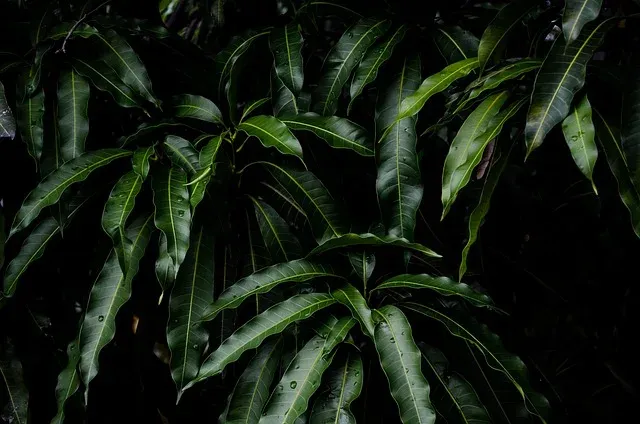
These ecosystems are characterised by towering trees, rich plant life, and multi-layered canopies that create complex habitats. Rainforests are not just visually stunning; they are among the most dynamic and productive ecosystems on Earth.
Why Are Rainforests Critical to the Planet?
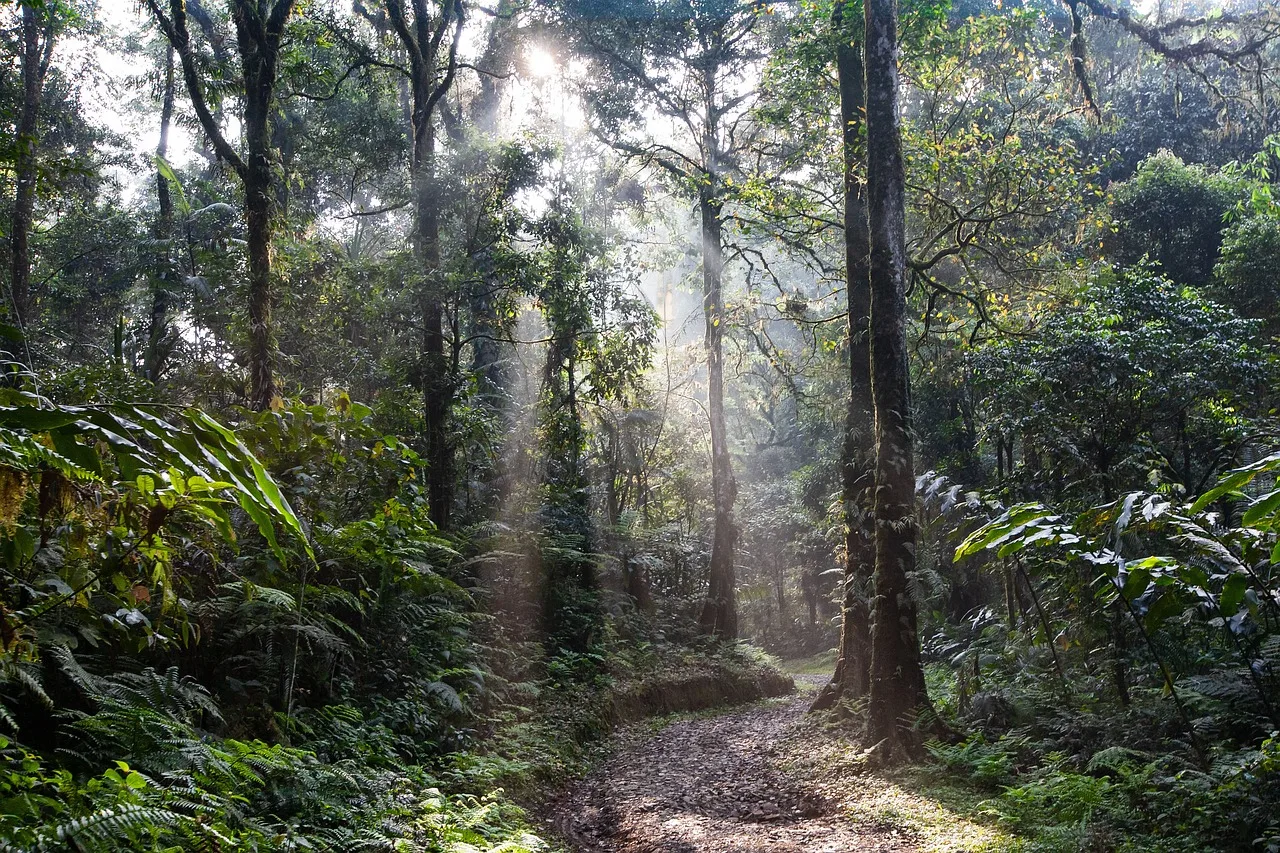
Rainforests play an essential role in stabilising the global climate. Often referred to as the “lungs of the planet,” they absorb vast amounts of carbon dioxide and release oxygen. This natural exchange helps regulate global climate patterns and mitigates the effects of climate change.
The dense vegetation also acts as a massive carbon sink. By storing carbon, rainforests reduce the amount of greenhouse gases in the atmosphere, a vital function in the fight against global warming. Without them, atmospheric carbon levels would rise rapidly, accelerating climate instability.
Rainforests also help regulate the Earth’s water cycle. Through a process called transpiration, trees release water vapour into the atmosphere, influencing cloud formation and rainfall patterns. This has a direct impact on local and even distant agricultural systems, water availability, and weather patterns. Deforestation in rainforest areas has already led to increased drought, flooding, and soil degradation in surrounding regions.
Rainforests and Biodiversity
One of the most extraordinary features of rainforests is their biodiversity. Despite covering only around 6% of the Earth's surface, they are home to over half of the world’s plant and animal species. Many of these species are endemic, meaning they exist nowhere else on the planet.
This biodiversity isn’t just important for conservation; it holds immense value for science and humanity. Rainforests provide medicinal plants, genetic resources for crops, and inspiration for technological innovations. Protecting rainforest biodiversity ensures the preservation of ecosystems that may hold the cures for future diseases or the key to sustainable agriculture.
What Animals Do You Find in the Rainforest?
Rainforests are teeming with animal life. From the forest floor to the canopy, every layer supports a unique group of species.
In tropical rainforests, you might encounter:
- Jaguars, sloths, and howler monkeys in South America
- Gorillas, okapis, and forest elephants in Africa
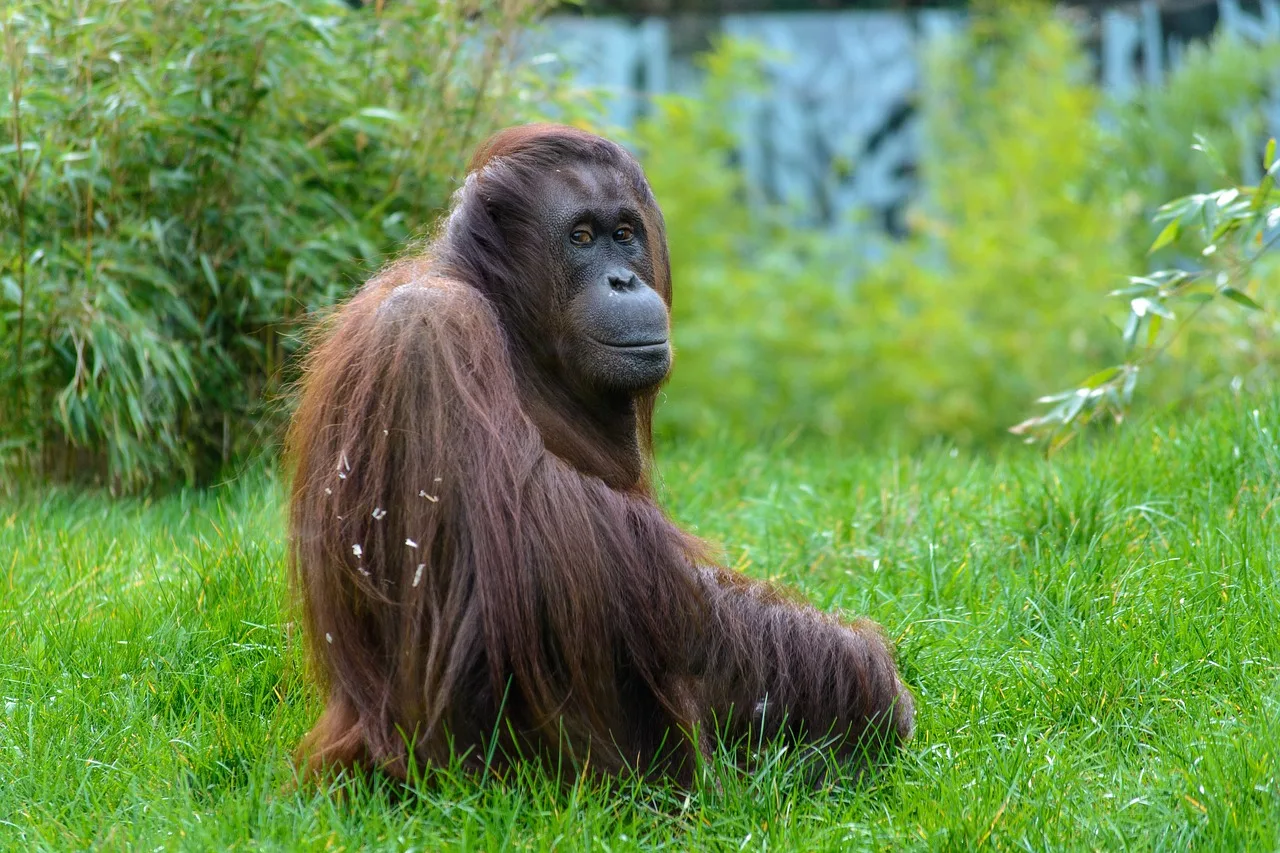
- Orangutans, clouded leopards, and hornbills in Southeast Asia
The forests are also rich in reptiles, amphibians, insects, and birds. Frogs with vibrant colours, butterflies with intricate patterns, and thousands of beetle species call these habitats home. This incredible diversity is a testament to the complexity and resilience of rainforest ecosystems.
In Summary
Rainforests are not just beautiful wildernesses; they are essential to life on Earth. They regulate climate, support biodiversity, contribute to the water cycle, and offer countless benefits to humanity. As threats from deforestation and climate change grow, protecting these ecosystems is a global responsibility. Our collective future depends on the health and preservation of the world's rainforests.